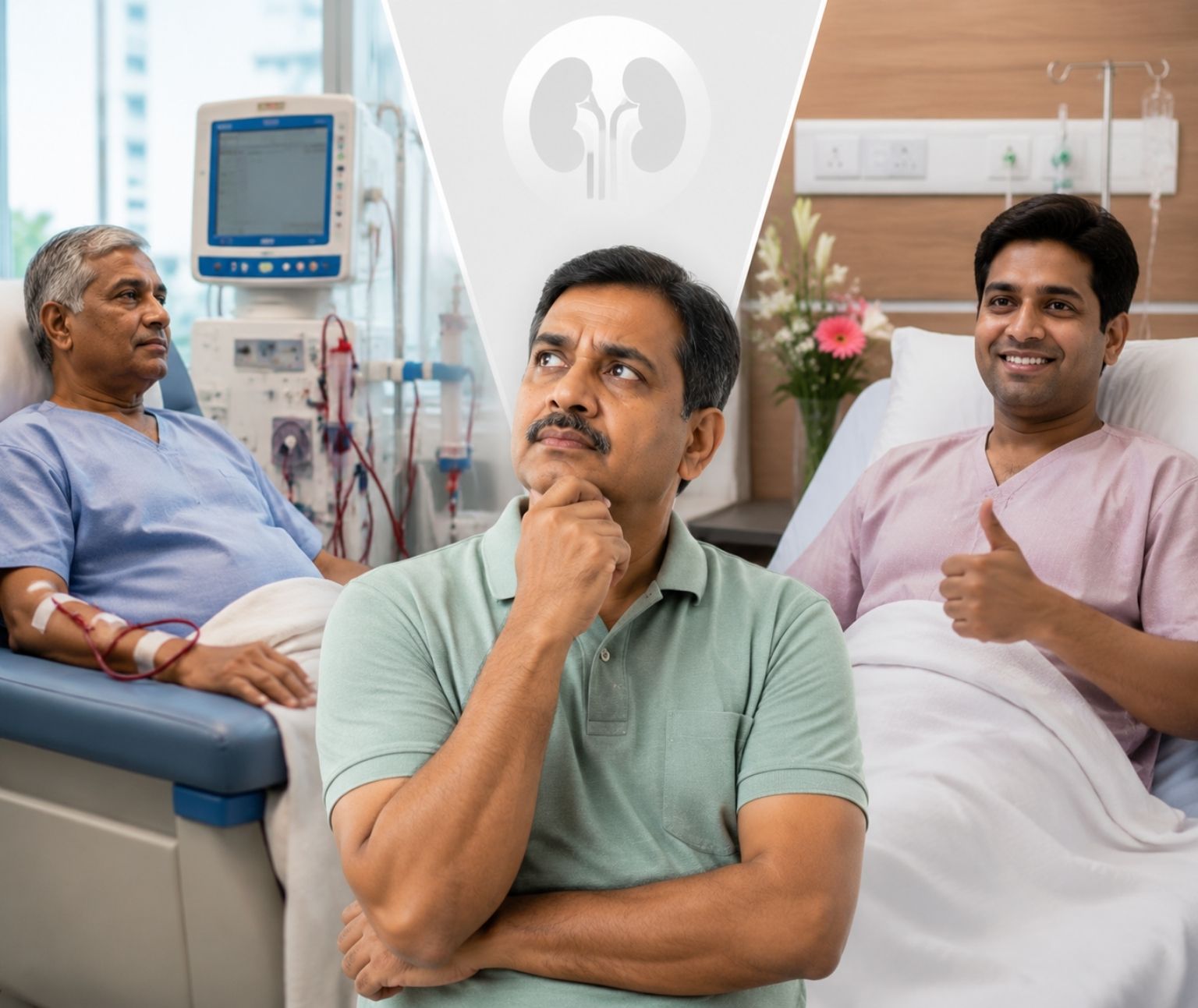
One of the first questions almost every patient asks after a kidney stone diagnosis isn’t “which surgery” — it’s “how much will this cost.” That’s a fair question, and also a hard one to answer with a single number, because
kidney stone surgery cost in Bangalore depends on several moving parts: the size and location of the stone, the procedure recommended, the hospital stay involved, and whether insurance covers part of the bill.
This guide breaks down exactly what drives that cost, what each type of procedure typically runs, how insurance factors in, and what else to budget for beyond the headline surgery price. Blue Bliss Hospital, a Centre of Excellence in Nephrology, Urology & Kidney Transplant Care in Seshadripuram, Bangalore, is used throughout as a reference point for how affordable, transparent kidney stone care is typically structured.
What Determines Kidney Stone Treatment Cost in Bangalore?
Before looking at any numbers, it helps to understand what actually drives
kidney stone treatment cost in Bangalore up or down, since two patients with “a kidney stone” can end up with very different bills depending on their specific case.
Stone size and location are the biggest factors. A small stone that can pass with medication or a minimally invasive procedure costs far less to treat than a large or multiple stones requiring surgical removal. The type of procedure recommended follows directly from this — non-invasive options like shock wave therapy are generally the least expensive, while more advanced procedures involving lasers or small incisions cost more due to the equipment, expertise, and hospital resources required.
Beyond the procedure itself, hospital stay duration, the type of anesthesia used, pre-surgery diagnostics like ultrasounds and CT scans, and room category (general ward vs. private room) all add to the final number. This is exactly why cost estimates should always be treated as ranges rather than fixed figures — the same procedure name can carry a meaningfully different price depending on how these individual factors line up for a specific patient.
Types of Kidney Stone Surgery and Their Cost Range
Kidney stone procedures aren’t one-size-fits-all, and the cost differences between them are significant enough that it’s worth understanding each option before assuming a single “standard” price applies.
Extracorporeal Shock Wave Lithotripsy (ESWL) is a non-invasive procedure that uses focused sound waves to break stones into smaller fragments that pass naturally through urine. It’s typically used for smaller stones and, because it requires no incision, is generally the least expensive option, commonly ranging from around ₹25,000 to ₹70,000.
Ureteroscopic Lithotripsy (URSL) involves a thin scope passed through the urinary tract to locate and break up stones, usually falling in the ₹40,000 to ₹1,00,000 range depending on complexity.
| Procedure |
Typical Cost Range |
Best Suited For |
| ESWL |
₹25,000 – ₹70,000 |
Small to medium stones |
| URSL |
₹40,000 – ₹1,00,000 |
Stones in the ureter |
| RIRS (Laser) |
₹70,000 – ₹1,50,000 |
Larger or harder-to-reach stones |
| PCNL |
₹65,000 – ₹2,00,000 |
Large or complex kidney stones |
(Figures represent commonly reported ranges across Bangalore hospitals and can vary based on individual case complexity — always confirm with a direct consultation.)
Percutaneous Nephrolithotomy (PCNL) is the most invasive of the common options, used for larger or more complex stones, where a small incision in the back allows direct surgical removal. Because it typically requires a longer hospital stay and general anesthesia, it tends to sit at the higher end of the cost spectrum. Choosing the right procedure isn’t just a cost decision, though — it’s a clinical one, which is why the recommended approach should come from a urologist’s evaluation of the stone itself, not from price alone.
Laser Kidney Stone Surgery Cost in Bangalore
Laser kidney stone surgery cost in Bangalore deserves its own explanation, since laser-based treatment — most commonly delivered through RIRS (Retrograde Intrarenal Surgery) — has become one of the most searched and most recommended options for stones that are too large for ESWL but don’t necessarily need full PCNL.
In RIRS, a urologist passes a thin, flexible scope fitted with a laser through the urinary tract to reach the kidney directly, breaking the stone into fragments precisely without any external incision. This precision is exactly what makes it a preferred option for many patients — it typically means less post-operative pain and a faster return to normal activity compared to more invasive procedures. Laser/RIRS procedures in Bangalore commonly range from around ₹70,000 to ₹1,50,000, though the exact figure depends on stone size, number of stones, and the complexity of the case.
It’s worth noting that “laser surgery” isn’t a single fixed-price package — a case involving one small stone in an accessible location will cost less than one with multiple stones or a stone in a harder-to-reach part of the kidney. This is another reason a proper diagnostic evaluation, rather than a general online estimate, should be the basis for any real budgeting decision.
Kidney Stone Surgery Cost With Insurance
For most patients,
kidney stone surgery cost with insurance is the number that actually matters, since out-of-pocket estimates rarely reflect what a policyholder ends up paying. Most standard health insurance policies in India do cover kidney stone surgery, since it’s typically classified as a medically necessary procedure rather than an elective one — but the extent of coverage depends heavily on the specific policy, insurer, and hospital network.
Generally, insurance covers the core surgical cost and standard hospital stay, but items like room upgrades beyond policy limits, certain diagnostic tests, or specific medications may fall outside full coverage depending on the plan. Patients also have the choice between cashless treatment, where the hospital settles directly with the insurer, and reimbursement claims, where the patient pays upfront and claims the amount back later — cashless is generally the smoother option when the hospital is within the insurer’s network.
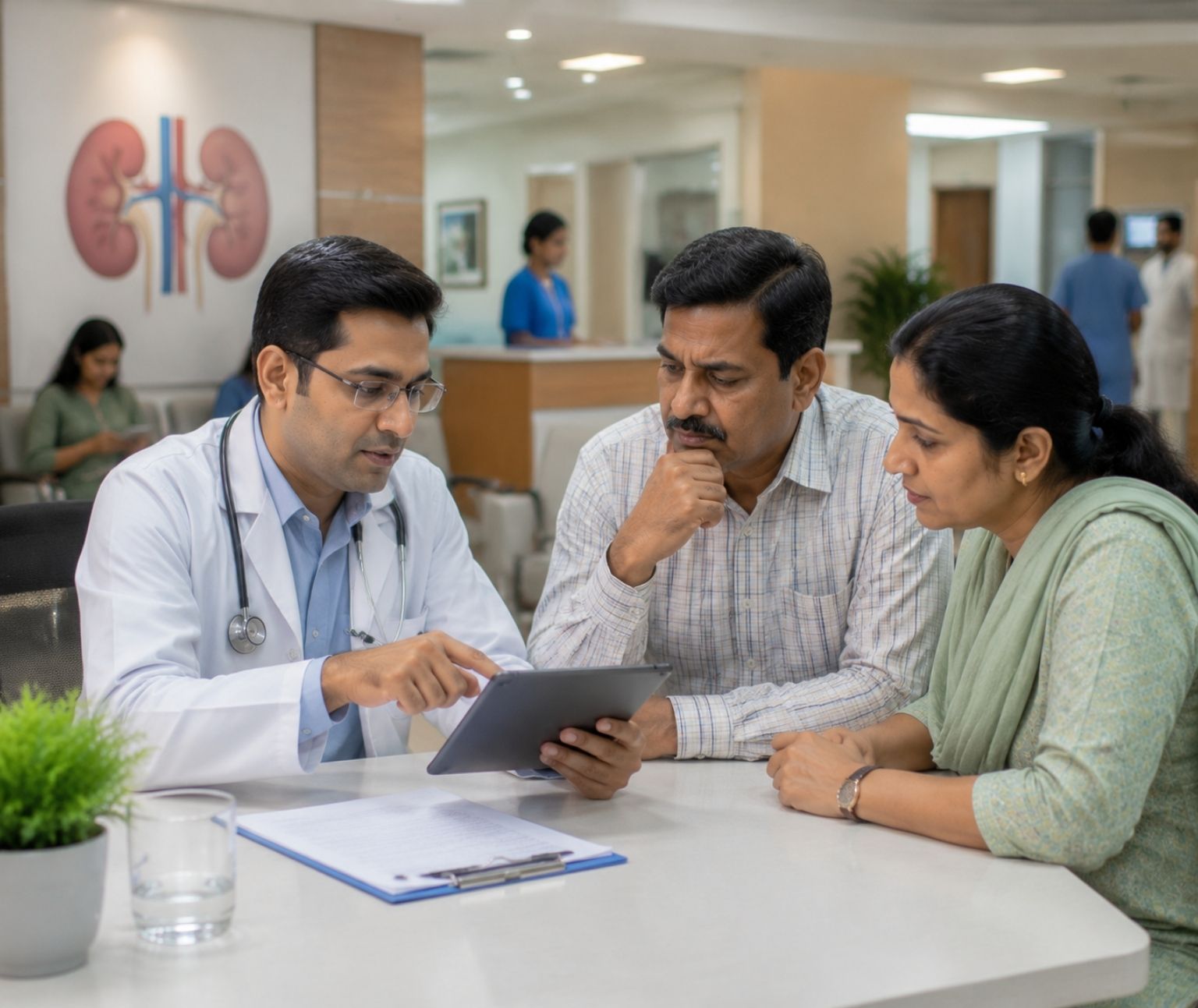
Blue Bliss Hospital accepts a wide range of insurance providers and is built around transparent, affordable multispecialty care, which makes verifying coverage before the procedure a straightforward part of the consultation process rather than a separate hurdle. Because coverage terms vary so much between insurers, it’s always worth confirming exact inclusions and exclusions directly with both the insurance provider and the hospital’s billing team before the surgery date, rather than assuming a blanket coverage amount.
Additional Costs to Factor In
The headline “surgery cost” is rarely the full financial picture, and overlooking the smaller line items is one of the most common ways patients end up surprised by a final bill.
Before the procedure, diagnostic costs typically apply — an ultrasound, CT scan, and routine blood and urine tests to confirm stone size, location, and rule out infection, generally adding a few thousand rupees to the total. After the surgery, patients should budget for post-operative medication, follow-up consultations, and in some cases a temporary stent, which may need a separate minor procedure for removal a few weeks later.
Room category also plays a bigger role in the total bill than many patients expect — the difference between a general ward and a private room can shift the total cost noticeably, even when the surgical procedure itself is identical. Getting an itemized estimate that separately lists the procedure, hospital stay, diagnostics, and medication — rather than a single lump-sum number — makes it much easier to compare costs meaningfully between hospitals and to know exactly what you’re paying for.
How to Reduce Kidney Stone Surgery Cost Without Compromising Care
Managing cost doesn’t have to mean compromising on quality, and a few practical steps can make a real difference to the final bill.
Early diagnosis is the single biggest lever — a small stone caught early can often be managed with non-invasive options like ESWL, while the same stone left untreated can grow to a size that requires more invasive, and more expensive, surgery like PCNL. Regular check-ups for anyone with a history of kidney stones, rather than waiting for pain to prompt a visit, is one of the most effective ways to keep treatment costs on the lower end of the range.
Using insurance effectively is the second lever — confirming network hospitals, understanding cashless eligibility, and asking for a detailed cost breakdown before the procedure all help avoid unexpected out-of-pocket expenses. It’s also worth comparing itemized quotes across a couple of reputable hospitals rather than one, since transparent, affordable providers often deliver comparable surgical quality without the premium pricing that comes with a purely brand-driven choice.
Finding the Right Kidney Stone Specialist Doctor in Bangalore
Cost matters, but it shouldn’t be the only factor — choosing the right
kidney stone specialist doctor in Bangalore directly affects whether treatment succeeds the first time or needs to be repeated, which ultimately affects total cost too. An experienced urologist with a strong track record in laser and PCNL procedures tends to achieve cleaner stone clearance rates, meaning fewer follow-up procedures and lower cumulative cost over time.
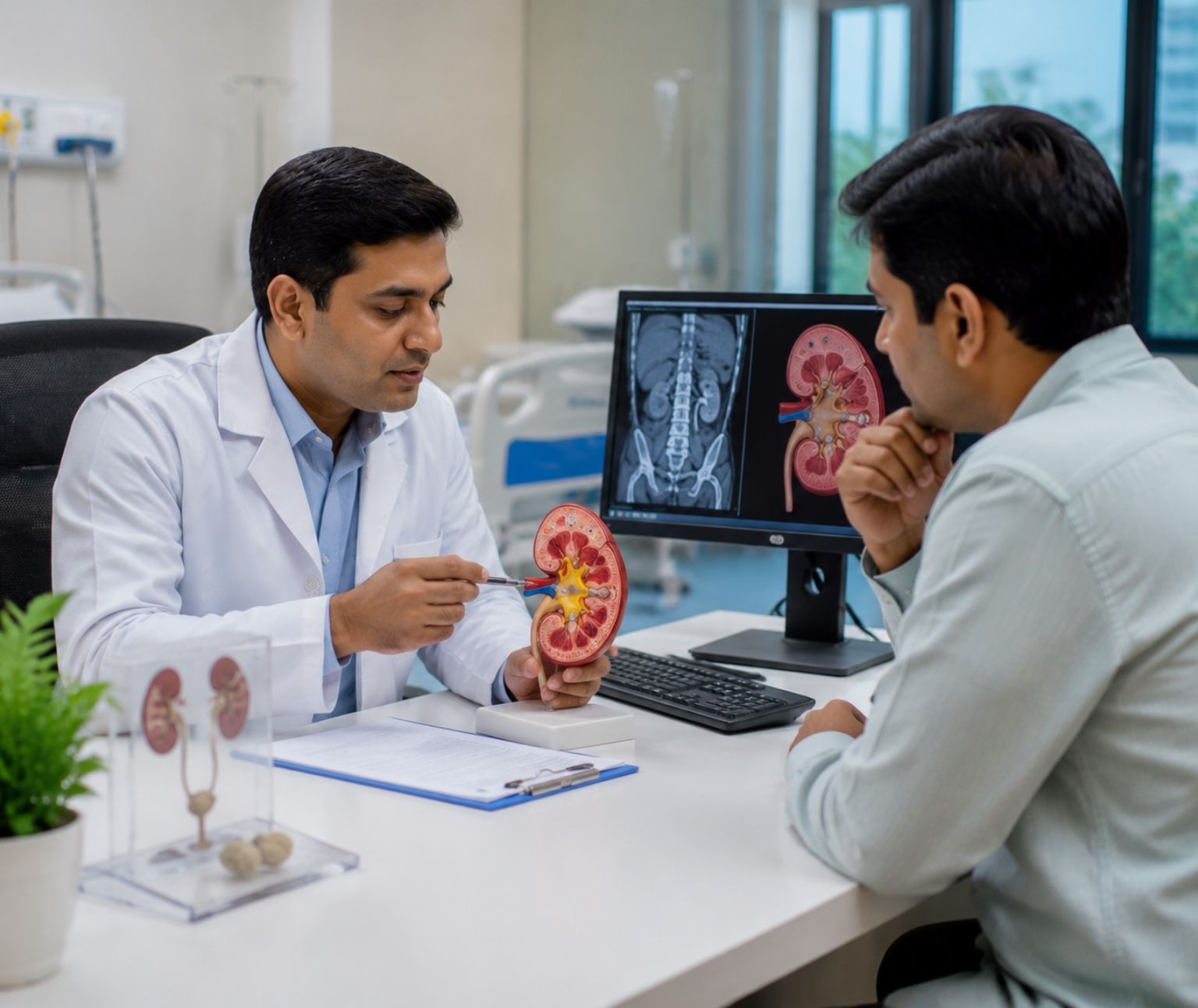
When evaluating a specialist, it’s worth asking about their experience specifically with the procedure being recommended, the hospital’s surgical volume for that treatment type, and what post-operative follow-up support looks like. At Blue Bliss Hospital, kidney stone and urological care is led by Dr. L.N. Raju, Chief Urologist & Chairman, whose decades of experience in urology anchor the hospital’s approach to stone treatment — from choosing the right procedure for each case to managing recovery afterward.
A specialist who takes the time to explain why a particular procedure is being recommended, rather than defaulting to the most invasive or most expensive option, is generally a good sign of patient-first care. This kind of transparency is exactly what should guide the choice of both doctor and hospital, alongside the cost figures covered earlier in this guide.
Why Choose Blue Bliss Hospital for Kidney Stone Treatment
Bringing cost, quality, and specialist expertise together, Blue Bliss Hospital is built around affordable, transparent care without cutting corners on the surgical side. The hospital offers ESWL, URSL, RIRS, and PCNL under one roof, backed by in-house 24/7 diagnostics that avoid the extra cost and delay of sending patients elsewhere for imaging or lab work before surgery.
Since its establishment in 2005, Blue Bliss has treated over 5 lakh patients and completed more than 10,000 successful surgeries, supported by a team of 50+ expert doctors and a dedicated urology practice led by Dr. L.N. Raju. Combined with wide insurance acceptance, flexible payment options, and round-the-clock ICU and emergency backup, the hospital is structured to make kidney stone treatment both clinically sound and financially manageable — exactly the balance this guide has walked through.
Frequently Asked Questions
-
What is the average cost of kidney stone surgery in Bangalore?
Costs typically range from around ₹25,000 for non-invasive ESWL to ₹2,00,000 for complex PCNL cases, depending on stone size, procedure type, and hospital stay.
- Is laser kidney stone surgery more expensive than traditional surgery?
Laser surgery (RIRS) is generally more expensive than ESWL but often costs less than PCNL, typically ranging from ₹70,000 to ₹1,50,000, while offering more precision and faster recovery for larger stones.
- Does insurance cover kidney stone surgery cost?
Most standard health insurance policies cover kidney stone surgery as a medically necessary procedure, though exact coverage depends on the specific policy and hospital network — always confirm inclusions with your insurer beforehand.
- How do I choose a kidney stone specialist in Bangalore?
Look for a urologist with strong experience in the specific procedure recommended for your case, a hospital with high surgical volume, and clear post-operative follow-up support, rather than choosing based on cost alone.
Ready to Take the Next Step?
Getting an accurate, personalized cost estimate starts with a proper diagnostic consultation rather than a general online figure. Blue Bliss Hospital’s urology team, led by Dr. L.N. Raju, can evaluate your specific case and walk you through the right procedure and a transparent cost breakdown.
Book an Appointment with Blue Bliss Hospital →