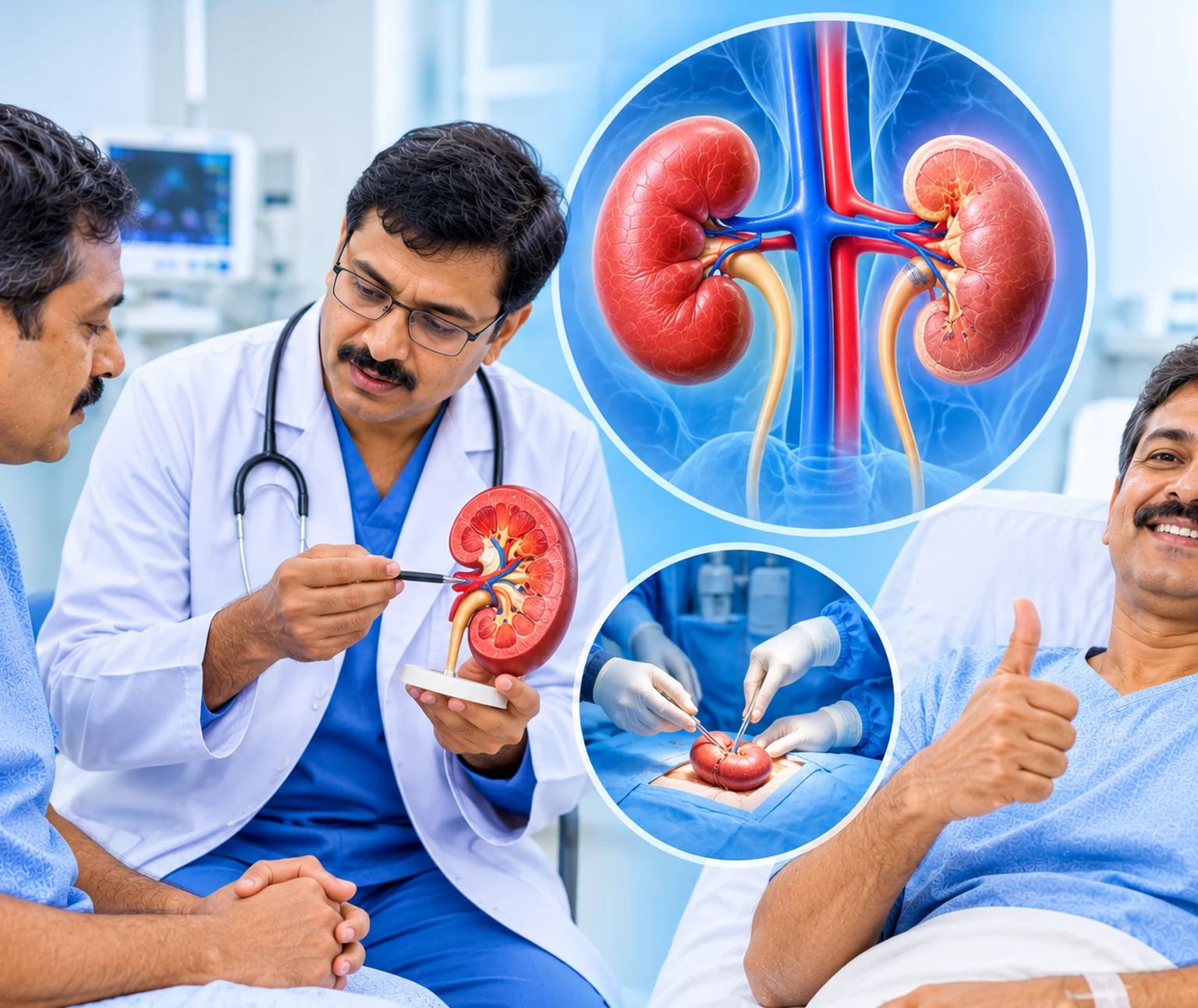
Kidneys play an important role in removing waste and excess fluid from the blood. Inside each kidney are tiny filtering units called glomeruli, which help keep the blood clean.
When these filters become inflamed, the condition is known as
Glomerulonephritis. It can affect kidney function and may lead to complications if not diagnosed and treated properly.
Some people develop symptoms suddenly, while others may not notice any changes until kidney function is affected.
This guide explains the causes, symptoms, diagnosis, treatment options, and management of Glomerulonephritis.
What Is Glomerulonephritis?
Glomerulonephritis is a kidney condition that causes inflammation or damage to the glomeruli, the tiny filters responsible for cleaning the blood.
Normally, these filters remove waste and excess fluid while keeping essential proteins and blood cells inside the body.
When the filters are damaged, protein or blood may leak into the urine. The kidneys may also struggle to remove waste effectively.
The condition can affect one or both kidneys and may develop suddenly or gradually.
Types of Glomerulonephritis
Glomerulonephritis is mainly classified into two types based on how the condition develops.
1. Acute Glomerulonephritis
Acute Glomerulonephritis develops suddenly, sometimes following an infection.
Symptoms may appear within a short period and require prompt medical evaluation.
With appropriate treatment, some patients recover kidney function, depending on the underlying cause.
2. Chronic Glomerulonephritis
Chronic Glomerulonephritis develops gradually and may continue for several years.
In the early stages, symptoms may not be noticeable. Over time, ongoing kidney damage can lead to chronic kidney disease.
Regular monitoring is important to identify changes in kidney function.
What Causes Glomerulonephritis?
Glomerulonephritis can develop due to infections, immune system disorders, and certain medical conditions.
Common causes include:
Infections
Certain bacterial and viral infections can trigger inflammation in the kidney filters.
For example, Glomerulonephritis may develop after some streptococcal throat or skin infections.
Autoimmune Diseases
Conditions such as lupus can cause the immune system to attack healthy tissues, including the kidneys.
This condition may lead to inflammation and damage to the glomeruli.
IgA Nephropathy
IgA nephropathy occurs when an antibody called immunoglobulin A builds up in the kidney filters.
This can cause inflammation and may gradually affect kidney function.
Vasculitis
Vasculitis causes inflammation of blood vessels and can affect the small blood vessels in the kidneys.
In some cases, the exact cause of Glomerulonephritis may remain unknown.
Symptoms of Glomerulonephritis
Symptoms depend on the type and severity of the condition. Some patients may experience noticeable changes, while others may only discover the problem through routine urine or blood tests.
Common symptoms include:
Blood in Urine
Urine may appear pink, red, or dark brown due to the presence of blood.
Sometimes, blood is only detected through laboratory testing.
Foamy Urine
Excess protein leaking into the urine can cause persistent foam or bubbles.
This may indicate damage to the kidney filters.
Swelling in the Body
Fluid retention may cause swelling around the eyes, feet, ankles, or legs.
Swelling can be more noticeable in the morning or after prolonged sitting.
High Blood Pressure
Reduced kidney function can affect the body’s fluid balance and contribute to increased blood pressure.
Reduced Urine Output and Fatigue
Some patients may pass less urine than usual or experience tiredness as waste builds up in the body.
Important: Sudden swelling, significantly reduced urine output, or visible blood in urine requires prompt medical evaluation.
How Is Glomerulonephritis Diagnosed?
Doctors use medical history, physical examination, and kidney tests to identify Glomerulonephritis and understand its severity.
Urine Tests
Urine tests help detect blood and protein, which may indicate kidney filter damage.
Blood Tests
Blood tests measure kidney function using markers such as creatinine and estimated glomerular filtration rate (eGFR).
Additional tests may help identify infections or immune system disorders.
Kidney Ultrasound
An ultrasound helps doctors examine kidney size and structure and check for other possible kidney problems.
Kidney Biopsy
In selected cases, doctors may recommend a kidney biopsy.
A small sample of kidney tissue is examined to identify the type of damage and guide treatment.
Glomerulonephritis Treatment Options
Treatment depends on the underlying cause, severity of inflammation, and level of kidney function.
The main aim is to control inflammation, manage symptoms, and prevent further kidney damage.
Blood Pressure Management
Controlling blood pressure helps protect the kidneys.
Doctors may prescribe medicines that also reduce protein leakage into the urine.
Medicines to Control Inflammation
For certain types of Glomerulonephritis, corticosteroids or other immunosuppressing medicines may be recommended.
These treatments require careful medical supervision.
Treating Underlying Infections
If an active infection is present, doctors may prescribe suitable medicines to treat it.
Dietary Changes
Patients may be advised to reduce salt intake and adjust protein, potassium, or fluid consumption based on kidney function.
Dialysis
In severe cases, dialysis may be required when the kidneys cannot adequately remove waste and excess fluid.
Some patients may need temporary dialysis, while others with advanced kidney failure may require long-term treatment.
How to Manage Glomerulonephritis?
Proper medical care and healthy daily habits can help protect kidney function.
Important steps include:
- Monitor blood pressure regularly.
- Take prescribed medicines on time.
- Reduce excess salt in daily meals.
- Follow recommended kidney function tests.
- Maintain a healthy weight.
- Avoid smoking.
- Avoid unnecessary painkillers, especially NSAIDs, without medical advice.
- Follow dietary and fluid recommendations from your doctor.
Regular follow-up appointments help doctors monitor treatment response and identify complications early.
Why Choose Blue Bliss Hospital for Kidney Care in Bangalore?
Glomerulonephritis requires careful evaluation, timely treatment, and regular kidney function monitoring.
At
Blue Bliss Hospital, Bangalore, patients can seek kidney care and medical guidance based on their individual health needs.
Kidney care may involve:
- Detailed kidney health evaluation
- Specialist consultation
- Blood and urine investigations
- Kidney function monitoring
- Personalised treatment planning
- Long-term kidney health management
The focus is on identifying kidney problems early and helping patients receive appropriate medical care.
Conclusion
Glomerulonephritis affects the tiny filters inside the kidneys and can interfere with their normal function.
Symptoms such as blood in urine, swelling, foamy urine, and high blood pressure should not be ignored.
Early diagnosis, suitable treatment, and regular kidney function monitoring can help reduce complications and protect kidney health.
For Glomerulonephritis evaluation and treatment guidance, consult
Blue Bliss Hospital in Bangalore for personalised kidney care.
Frequently Asked Questions
- Is Glomerulonephritis a serious kidney disease?
It can be serious if inflammation causes significant kidney damage. Early diagnosis and treatment can help reduce complications.
- Can Glomerulonephritis be cured completely?
Some forms can resolve with treatment, while others require long-term management. Recovery depends on the underlying cause and severity.
- What are the early signs of Glomerulonephritis?
Common signs include foamy urine, blood in urine, swelling around the eyes or legs, and high blood pressure.
- How is Glomerulonephritis diagnosed?
Doctors use urine tests, blood tests, ultrasound, and occasionally a kidney biopsy to confirm the condition.
- Can Glomerulonephritis lead to kidney failure?
Yes. Severe or untreated disease can damage the kidneys and may lead to kidney failure in some patients.