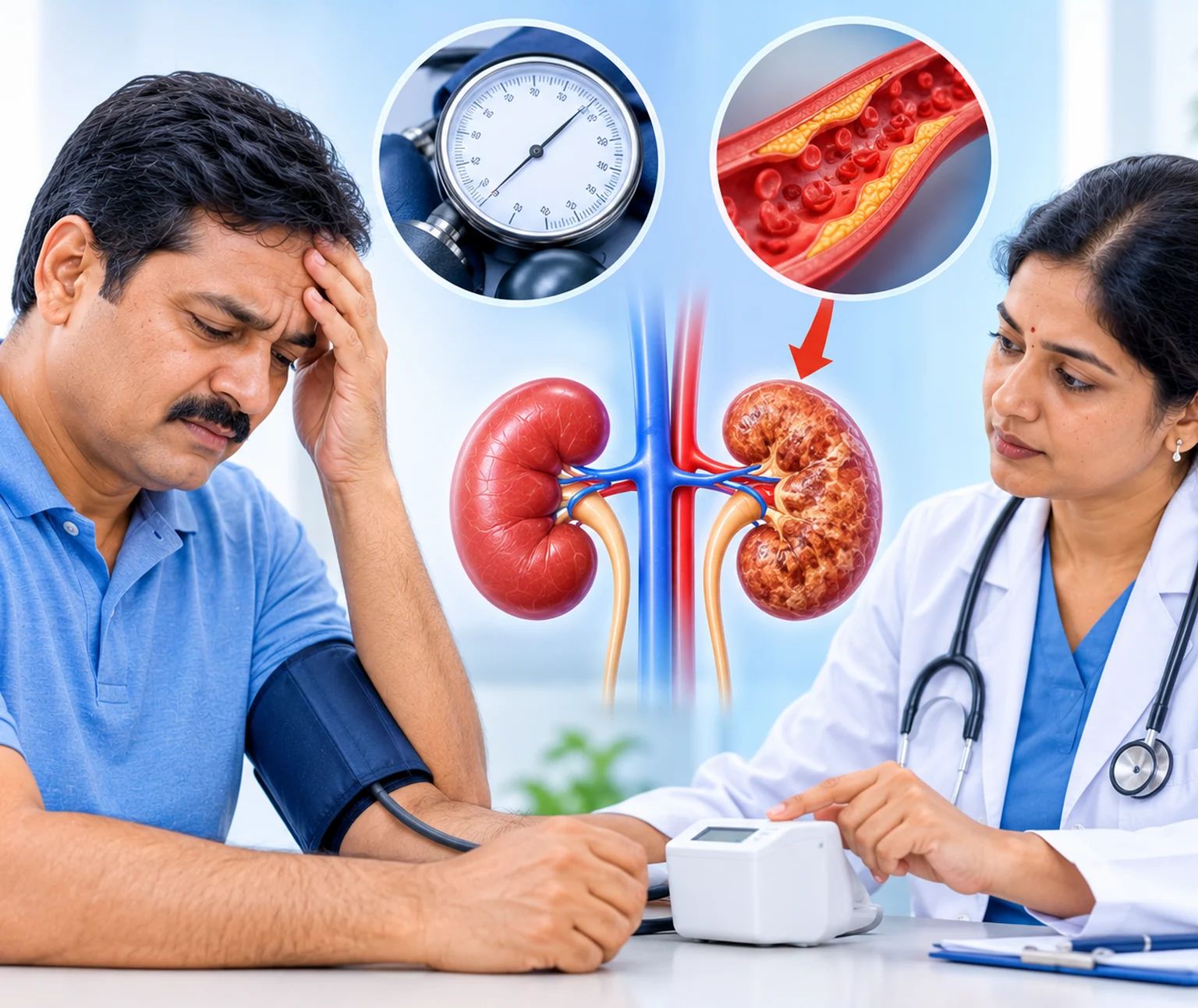
High blood pressure, also known as hypertension, can gradually damage the kidneys. When blood pressure remains uncontrolled for a long time, it affects the small blood vessels responsible for filtering waste from the blood.
Over time, this damage can reduce kidney function and may eventually lead to kidney failure.
Understanding the connection between hypertension and kidney health can help people recognise warning signs and seek timely medical care.
How Does High Blood Pressure Cause Kidney Failure?
The kidneys contain tiny blood vessels that filter waste and excess fluid from the body.
When blood pressure stays high, these vessels can become damaged and narrowed. This reduces the kidneys’ ability to filter blood effectively.
As kidney function declines, excess fluid and salt may build up in the body, further increasing blood pressure.
This creates a cycle where hypertension and kidney damage worsen each other.
Who Is at Risk?
Certain factors increase the risk of kidney damage caused by hypertension.
These include:
- Long-term uncontrolled high blood pressure
- Diabetes
- Family history of kidney disease
- Obesity
- Smoking
- Existing heart or kidney conditions
- Older age
People with these risk factors may need regular blood pressure and kidney function monitoring.
Symptoms of Kidney Damage Due to Hypertension
Hypertension-related kidney damage often develops slowly without noticeable symptoms.
As kidney function decreases, patients may experience:
- Swelling in the feet, ankles, or legs
- Fatigue and weakness
- Changes in urination
- Nausea or reduced appetite
- Difficulty concentrating
- Shortness of breath due to fluid buildup
These symptoms can also occur with other medical conditions. Proper testing is necessary to identify the cause.
How Is Hypertension-Related Kidney Disease Diagnosed?
Doctors evaluate blood pressure levels, kidney function, and medical history to identify possible kidney damage.
Common investigations include:
Blood Pressure Monitoring
Regular readings help determine whether hypertension is adequately controlled.
Blood Tests
Creatinine and estimated glomerular filtration rate (eGFR) help assess how well the kidneys filter blood.
Urine Tests
Urine albumin testing helps detect protein leakage, which may indicate kidney damage.
Kidney Ultrasound
An ultrasound may be recommended to examine kidney size and structure.
Treatment for Kidney Failure Due to Hypertension
Treatment depends on the extent of kidney damage and the patient’s overall health.
The main goal is to control blood pressure, protect remaining kidney function, and manage complications.
Blood Pressure Medicines
Doctors may prescribe medicines such as ACE inhibitors or ARBs, which can help control blood pressure and protect the kidneys in suitable patients.
Dietary Changes
Reducing salt intake can help manage blood pressure and fluid retention. Other dietary adjustments depend on kidney function and blood test results.
Managing Other Health Conditions
Controlling diabetes, cholesterol, and heart-related conditions can help reduce additional kidney damage.
Dialysis or Kidney Transplant
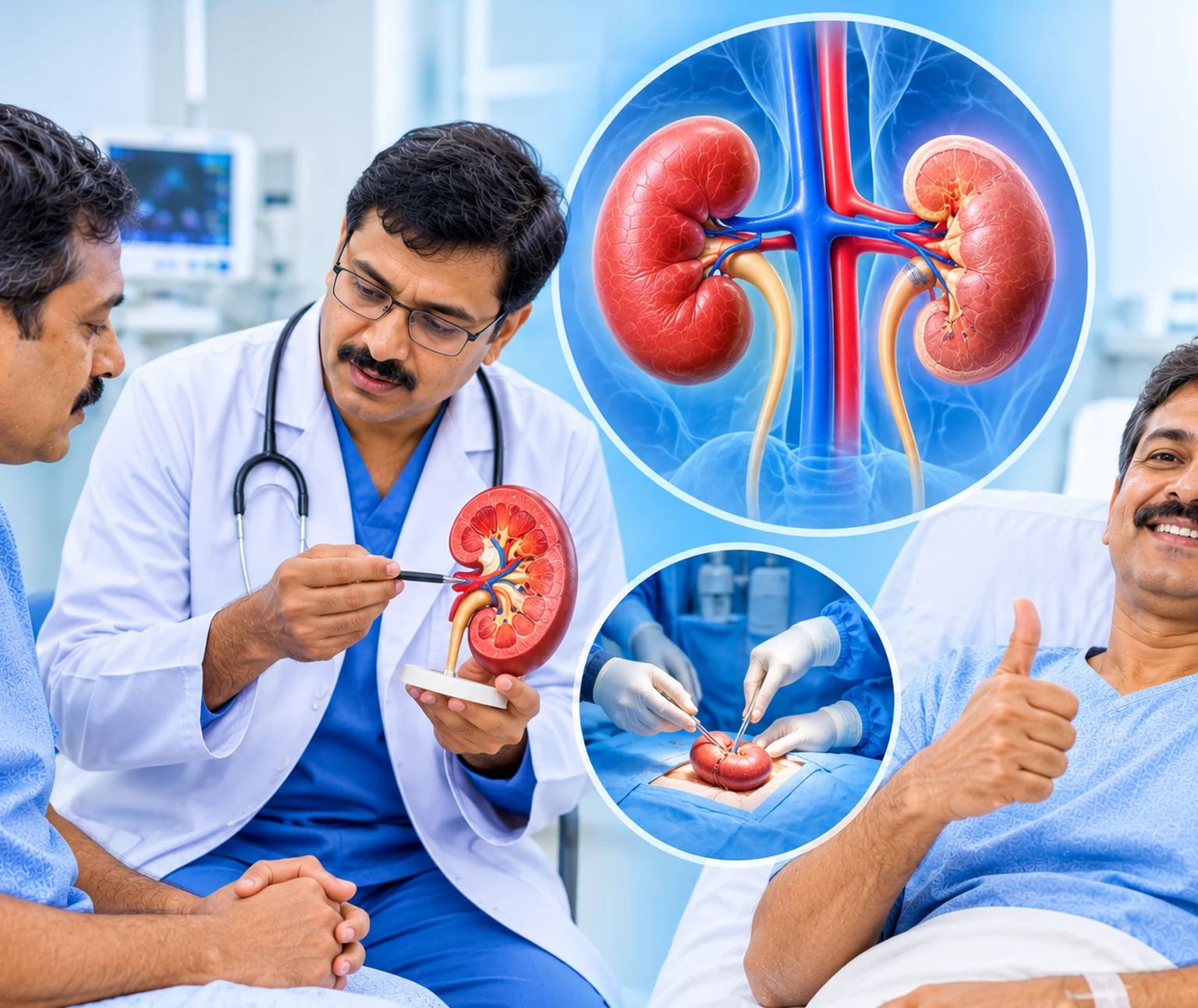
Patients with advanced kidney failure may require dialysis or kidney transplantation when their kidneys can no longer meet the body’s needs.
How to Prevent Kidney Damage from Hypertension
Simple daily habits can help reduce the risk of hypertension-related kidney problems.
- Check blood pressure regularly.
- Take prescribed medicines consistently.
- Reduce excess salt and processed foods.
- Maintain a healthy body weight.
- Stay physically active as advised.
- Avoid smoking.
- Monitor kidney function through recommended tests.
People with hypertension should not wait for symptoms before getting their kidneys checked.
Why Choose Blue Bliss Hospital for Kidney Care in Bangalore?
High blood pressure can affect kidney health over time, making regular monitoring and timely treatment important.
At
Blue Bliss Hospital, Bangalore, patients can seek medical guidance for hypertension-related kidney problems, including kidney function evaluation, specialist consultation, and personalised treatment planning.
The focus is on managing blood pressure, identifying kidney complications, and supporting long-term kidney health.
Conclusion
Uncontrolled hypertension is an important cause of chronic kidney disease and kidney failure. Since early kidney damage may not cause symptoms, regular blood pressure checks and kidney function tests are essential.
Timely treatment and healthy lifestyle changes can help slow kidney damage and reduce the risk of complications.
For hypertension-related kidney evaluation and treatment guidance, consult
Blue Bliss Hospital, Bangalore.
Frequently Asked Questions
- Can high blood pressure cause kidney failure?
Yes. Long-term uncontrolled hypertension can damage kidney blood vessels and gradually reduce kidney function.
- What are the early signs of kidney damage from hypertension?
Early kidney damage often has no symptoms. Blood and urine tests may detect changes before symptoms appear.
- Can kidney damage caused by hypertension be reversed?
Some early changes may improve with treatment, but established kidney scarring is usually permanent.
- Which tests detect hypertension-related kidney problems?
Blood creatinine, eGFR, and urine albumin tests help assess kidney function and damage.
- Can controlling blood pressure prevent kidney failure?
Proper blood pressure management can significantly reduce the risk of kidney damage and slow existing disease progression.