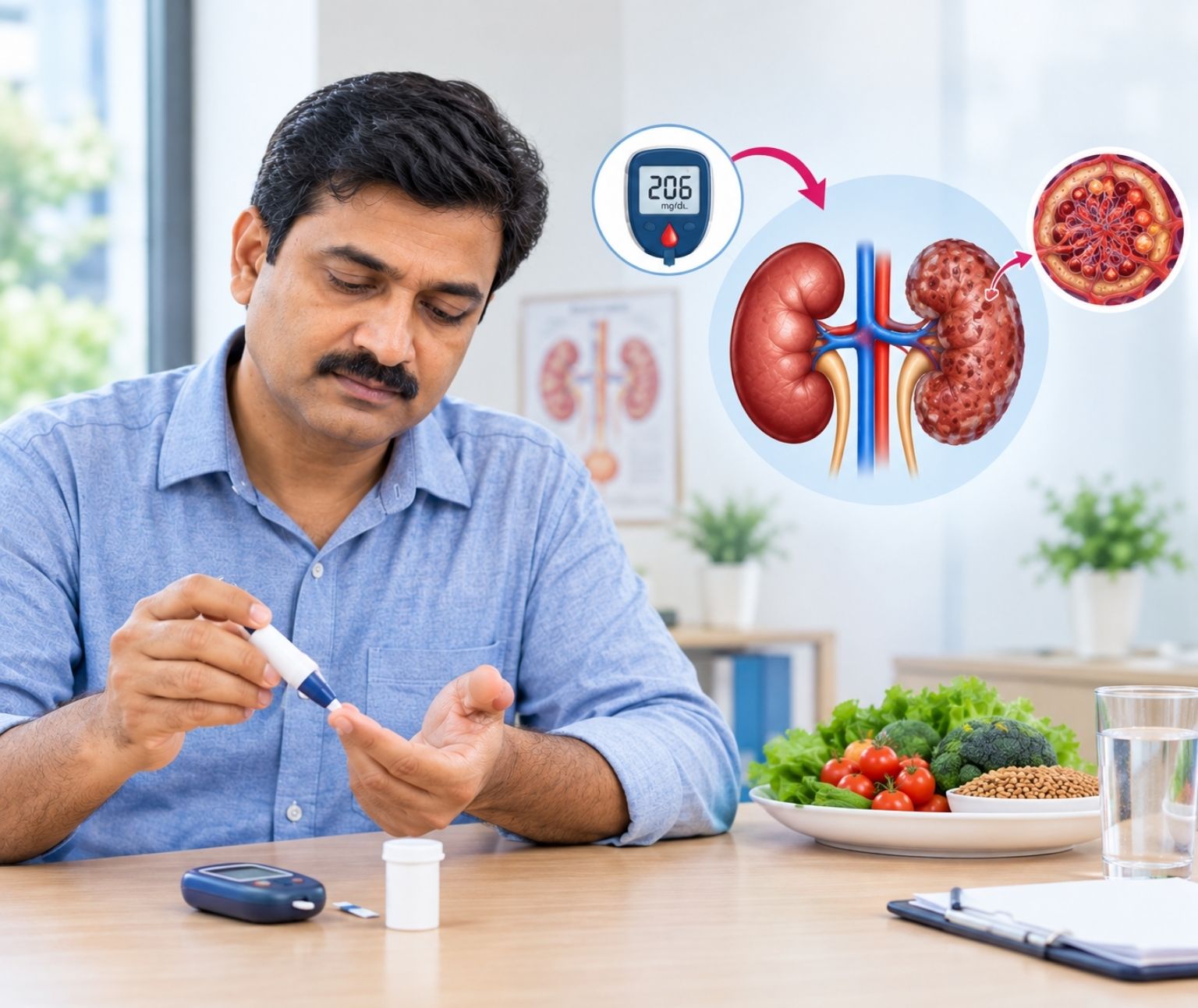
Kidney diseases can sometimes progress silently and may not show clear symptoms in the beginning. One such condition is
Polycystic Kidney Disease (PKD), which requires regular monitoring and proper medical care to protect kidney health.
Since PKD is a genetic condition, people with a family history of kidney problems should be aware of its symptoms, diagnosis process, and available treatment options. Early evaluation can help doctors understand the condition and create a suitable management plan.
This guide explains the
symptoms, causes, diagnosis, treatment options, and long-term management of Polycystic Kidney Disease. At
Blue Bliss Hospital, patients receive expert kidney care, evaluation, and personalised treatment guidance.
What Is Polycystic Kidney Disease?
Polycystic Kidney Disease is an inherited kidney disorder where multiple fluid-filled cysts develop inside the kidneys.
These cysts are not normal growths. Over time, they can increase in size and number, affecting the healthy kidney tissue. As the kidneys become enlarged, their ability to perform normal functions may gradually reduce.
PKD can affect people differently. Some individuals may have mild symptoms for years, while others may develop complications related to kidney function.
Certain types of PKD can also affect other organs, especially the liver, making regular medical monitoring important.
What Causes Polycystic Kidney Disease?
The main cause of PKD is a genetic change that affects the normal development and function of kidney cells.
Unlike kidney problems caused by lifestyle factors, PKD is mainly related to inherited gene changes.
Genetic Mutation
Changes in specific genes can lead to abnormal cyst formation inside the kidneys. These changes affect how kidney cells grow and function over time.
Family Inheritance
PKD is commonly passed from parents to children. A person with a family history of the condition has a higher chance of developing the disease.
In rare cases, PKD may occur due to a new genetic change without any previous family history.
Types of Polycystic Kidney Disease
There are two main types of Polycystic Kidney Disease:
Autosomal Dominant Polycystic Kidney Disease (ADPKD)
ADPKD is the most common type of PKD.
Important features include:
- Symptoms usually appear during adulthood.
- Cysts may begin developing years before symptoms become noticeable.
- One affected parent can pass the condition to a child.
- Kidney function usually declines gradually over time.
ADPKD may also be associated with cysts in other organs, especially the liver.
Autosomal Recessive Polycystic Kidney Disease (ARPKD)
ARPKD is a rare form of PKD and is often more severe.
Important features include:
- Symptoms may appear before birth or during early childhood.
- Both parents usually carry the affected gene.
- Kidney problems may develop at an early age.
- Liver-related complications may also occur.
ARPKD requires careful medical monitoring from an early stage.
Symptoms of Polycystic Kidney Disease
In the early stages, PKD may not cause noticeable symptoms. Many people discover the condition during routine health checks or when evaluating a family history of kidney disease.
As cysts grow and affect kidney structure, symptoms may gradually appear.
High Blood Pressure
High blood pressure is one of the earliest signs associated with PKD.
It can develop before major changes in kidney function are noticed. If not controlled, high blood pressure can increase stress on the kidneys and contribute to further complications.
Regular blood pressure monitoring is an important part of PKD management.
Pain in the Back, Side, or Abdomen
Growing kidney cysts can increase pressure around the kidneys and cause discomfort.
Patients may experience:
- Dull or recurring back pain
- Pain on the side of the body
- Abdominal discomfort or fullness
Pain may also occur due to kidney stones or cyst-related complications.
Blood in Urine
Blood in urine, also known as haematuria, may occur when a kidney cyst leaks or ruptures.
Although it may not always indicate a serious problem, it should be evaluated by a healthcare professional to identify the cause.
Headaches
Some people with PKD may experience headaches, especially when blood pressure levels are elevated.
Regular monitoring of blood pressure can help identify changes early and support better disease management.
How Is Polycystic Kidney Disease Diagnosed?
Diagnosis of PKD involves medical history evaluation, family history assessment, and different kidney tests.
Family History Evaluation
Since PKD is commonly inherited, doctors review family history to understand the possibility of genetic risk.
People with a family history of PKD may require regular screening and monitoring.
Kidney Ultrasound
Ultrasound is one of the most commonly used tests for detecting kidney cysts.
It helps doctors evaluate:
- Presence of cysts
- Number and size of cysts
- Changes in kidney structure
It is a safe and non-invasive test commonly used during initial evaluation.
CT Scan or MRI
CT and MRI scans provide detailed images of the kidneys.
They help doctors assess:
- Kidney size
- Cyst development
- Disease progression
These tests may be recommended when a more detailed evaluation is needed.
Kidney Function Tests
Blood tests help check how effectively the kidneys are working.
Doctors may monitor kidney function markers such as creatinine levels to understand changes in kidney performance over time.
Polycystic Kidney Disease Treatment Options
There is currently no complete cure for PKD. However, proper treatment can help manage symptoms, protect kidney function, and slow disease progression.
Treatment depends on kidney function, symptoms, the type of PKD, and overall health condition.
Blood Pressure Control
Managing blood pressure is one of the most important steps in PKD care.
Keeping blood pressure under control can reduce stress on the kidneys and help protect kidney function.
Pain Management
Kidney-related pain caused by cyst growth or complications may require medical treatment.
Doctors may recommend suitable medicines or other approaches depending on the cause and severity of pain.
Treating Infections
People with PKD may develop urinary tract infections or kidney infections.
Early diagnosis and proper treatment can help prevent infection-related complications.
Medicines to Slow Disease Progression
For selected patients with ADPKD, medicines such as Tolvaptan may help slow cyst growth.
This treatment requires regular monitoring and should only be used under specialist guidance.
Lifestyle Changes
Healthy lifestyle habits can support kidney health.
These may include:
- Following a kidney-friendly diet as advised
- Reducing excess salt intake
- Maintaining healthy weight
- Avoiding smoking
- Staying physically active
Dialysis and Kidney Transplant
In advanced stages, when kidney function severely declines, patients may require dialysis to eliminate waste and excess fluid from their bodies.
For patients with kidney failure, kidney transplantation may be considered as a long-term treatment option.
How Can Polycystic Kidney Disease Affect Daily Life?
Living with PKD requires regular care and lifestyle adjustments.
Some common challenges include:
- Fatigue due to changes in kidney function
- Dietary adjustments
- Frequent medical follow-ups
- Emotional stress related to a long-term condition
With proper care and regular monitoring, many people can continue their daily activities while managing PKD.
Managing Life With Polycystic Kidney Disease
Long-term management focuses on protecting kidney health and preventing complications.
Important steps include:
- Regular kidney function check-ups
- Monitoring blood pressure
- Taking medicines as prescribed
- Reporting new symptoms early
- Maintaining healthy habits
A consistent treatment plan and regular medical guidance can help manage PKD effectively.
Why Choose Blue Bliss Hospital for Polycystic Kidney Disease Care?
Polycystic Kidney Disease requires accurate diagnosis, continuous monitoring, and personalised treatment planning.
At
Blue Bliss Hospital, patients receive kidney care support through:
- Detailed kidney evaluation
- Specialist consultation
- Kidney function monitoring
- Individualised treatment planning
- Long-term disease management support
The focus is to help patients understand their condition and receive suitable care based on their health needs.
Conclusion
Polycystic Kidney Disease requires regular monitoring and proper medical care to manage its progression. Early diagnosis, kidney function monitoring, blood pressure control, and following the right treatment plan can help protect kidney health and improve quality of life.
If you are looking for
Polycystic Kidney Disease evaluation or treatment guidance, consult
Blue Bliss Hospital for expert kidney care and personalised medical support.
Frequently Asked Questions
-
Can people live a normal life with Polycystic Kidney Disease?
Yes, many people with PKD can manage their condition with regular medical care, monitoring, and lifestyle changes.
- Is Polycystic Kidney Disease hereditary?
Yes, PKD is usually caused by genetic changes that can be passed from parents to children.
- What are the early symptoms of PKD?
Early symptoms may include high blood pressure, back pain, abdominal discomfort, headaches, and blood in urine.
- How is Polycystic Kidney Disease diagnosed?
PKD can be diagnosed through family history evaluation, ultrasound, CT/MRI scans, and kidney function tests.
- Can PKD be cured completely?
There is currently no complete cure, but treatment can help manage symptoms and slow disease progression.
- When should someone consult a doctor for PKD?
People with a family history of PKD, kidney-related symptoms, high blood pressure, or abnormal kidney test results should seek medical advice.