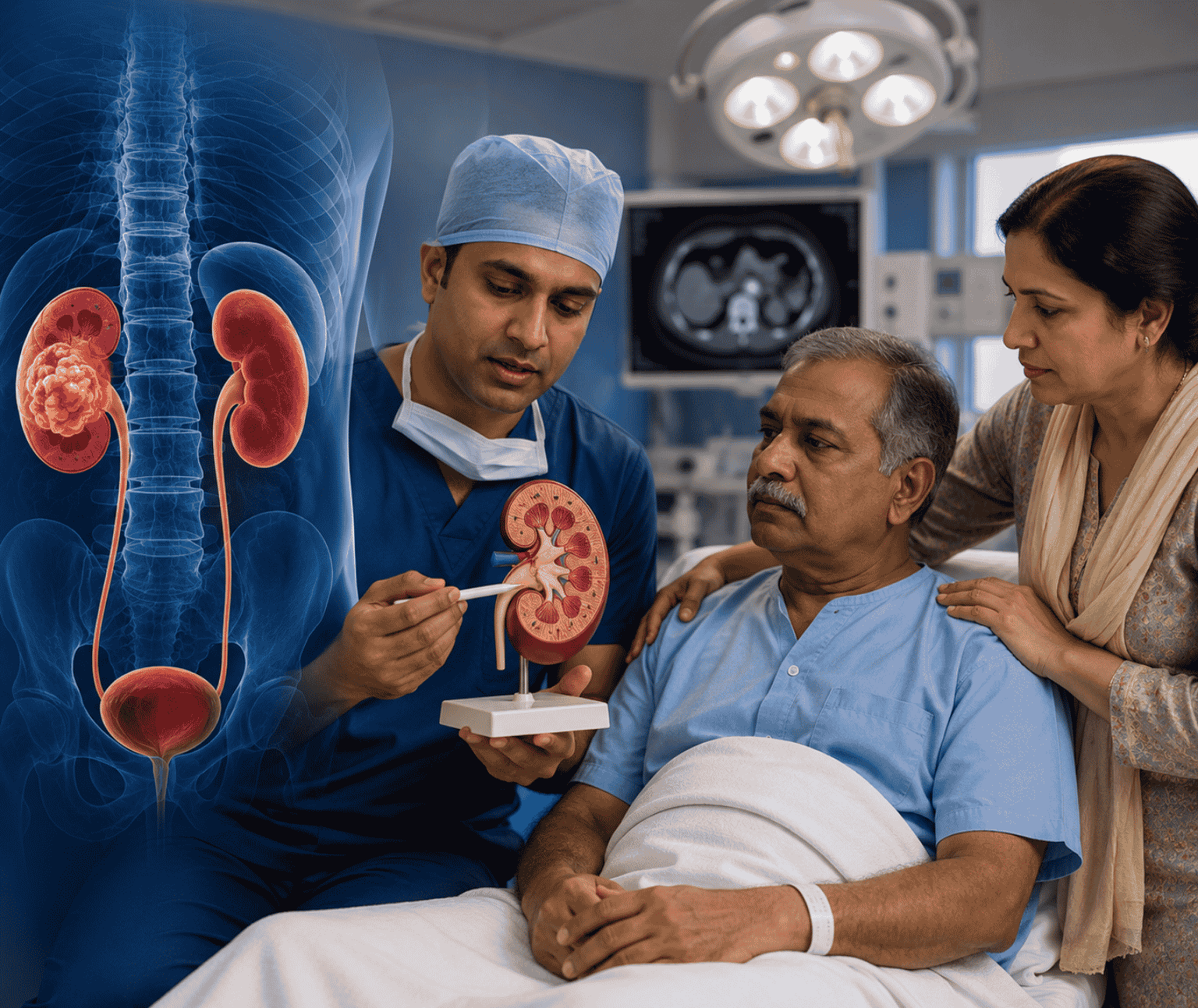
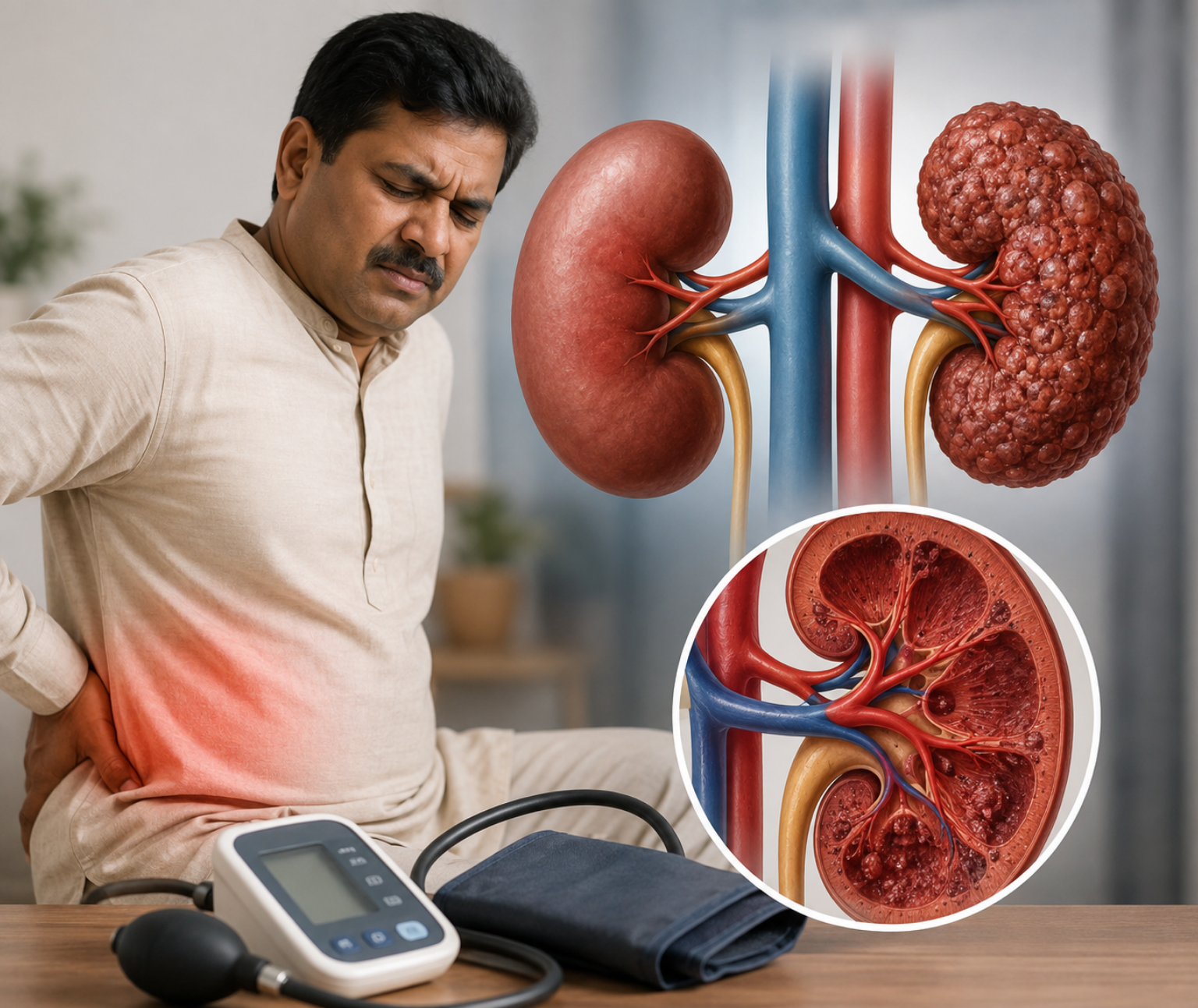
Kidney problems that require surgery can often leave patients confused about the best treatment option. During
kidney removal surgery, one of the most common concerns patients have is whether only the affected part of the kidney can be treated or if complete kidney removal is necessary. The answer usually depends on factors such as tumour size, location, and how far the disease has spread within the kidney.
At Blue Bliss Hospital, specialists carefully evaluate each patient before deciding when partial or complete kidney removal is needed. If the tumour is small and confined to one area, doctors may recommend partial kidney removal to preserve remaining healthy kidney function. However, when the tumour is larger or involves most of the kidney, complete removal may become the safer and more effective treatment option to prevent the cancer from spreading further.
Why Surgery Is Needed for Kidney Cancer
The main goal of treatment is to stop cancer before it spreads further. Surgery becomes the most effective option when cancer is limited to the kidney. Doctors plan treatment after checking the stage of cancer and overall kidney health.
In many cases, treatment may involve removing part of the kidney or the entire kidney depending on how advanced the condition is. This approach ensures better control of the disease and improves recovery chances.
Types of Kidney Cancer Surgery
Partial Kidney Removal
A procedure called
partial nephrectomy is used to remove only the cancerous portion of the kidney while preserving healthy tissue. This option is preferred when:
- The tumour is small and is located closed to polar regions of kidney.
- Cancer is limited to one area.
- Kidney function needs to be preserved.
- The disease is detected early.
This helps the kidney continue working normally after surgery.
Complete Kidney Removal
A procedure known as
radical nephrectomy involves removing the entire kidney and sometimes nearby tissues as well. This is usually recommended when:
- The tumour is large.
- Cancer has spread inside the kidney.
- Partial surgery is not possible.
- Multiple tumours are present.
Even after losing one kidney, many patients continue to live a healthy life with proper care.
Symptoms That May Need Surgery
Some symptoms require medical attention. In advanced cases, doctors may suggest
kidney removal surgery. These symptoms often appear when kidney function is affected or the disease starts progressing. Early diagnosis helps in better treatment planning. Symptoms include:
- Blood in urine
- Back or side pain
- Swelling near the kidney area
- Unexplained weight loss
- Constant tiredness
- Fever without infection
These symptoms do not always confirm cancer, but they should not be ignored.
How Doctors Decide the Treatment
Before planning surgery, doctors carefully assess the patient’s overall condition. They study how far the disease has progressed and how well the kidneys are functioning.
The decision is based on tumour size, cancer stage, kidney function, patient age and health, and risk of spread. Tests like CT scans, MRIs, and blood investigations help doctors choose the right treatment approach.
Recovery After Kidney Cancer Surgery
Kidney removal surgery recovery time depends on the type of surgery and the patient’s overall health. Most patients recover within a few weeks, while some take up to one month to recover fully.
During recovery, patients are advised to:
- Drink enough water.
- Follow a balanced diet.
- Avoid heavy physical activity.
- Attend regular follow-ups.
- Monitor kidney function through tests.
Proper care supports faster healing and reduces complications.
Why Choose Blue Bliss Hospital
Kidney cancer care at
Blue Bliss Hospital is safe, simple, and patient-centric. The treatment plan is carefully considered for each case. At our hospital, care is provided throughout the recovery journey, as well as following
kidney cancer surgery. This will help patients feel confident, informed and supported on their journey.
Our key services include:
- Use of advanced imaging to support precise surgical planning.
- Multidisciplinary team involving urologists and support staff.
- Focus on preserving maximum kidney function whenever possible.
- Pain management strategies for smoother post-surgery recovery.
- Guidance on diet and lifestyle adjustments after treatment.
Conclusion
Kidney cancer treatment depends on the stage of early detection.
Kidney cancer surgery occurs according to the condition or the stage of the kidney cancer. Early treatment helps in identifying the reason quickly and helps in providing better results. Patients at Blue Bliss Hospital receive proper care, individualised treatment, and timely diagnosis to get better outcomes.
Frequently Asked Questions (FAQs)
- What is partial kidney removal?
In this process, only the affected area is removed from the kidney.
- What is complete kidney removal?
In this process the entire kidney is removed.
- Can a person live with one kidney?
Yes, most people live a normal life with one kidney.
- How long is recovery after surgery?
Usually a few days(3-4 days) , depending on health and surgery type.
- Is surgery the only treatment for kidney cancer?
No, some cases may also need targeted therapy or immunotherapy.