Understanding bladder cancer can be difficult for both patients and families. Even after treatment, many people worry about whether the cancer may return again. Regular monitoring during recovery is important because these concerns are often linked to
bladder cancer recurrence.
At Blue Bliss Hospital, we provide complete care for bladder cancer with a focus on accurate diagnosis, correct staging, and personalised treatment planning. Our hospital supports patients with clear explanations about every stage of their condition. With a structured approach and regular follow-up care, patients receive continuous support throughout their journey.
Regular follow-up care and proper medical guidance help patients better understand their condition. This support often helps them feel more confident during recovery and treatment.
Understanding Bladder Cancer
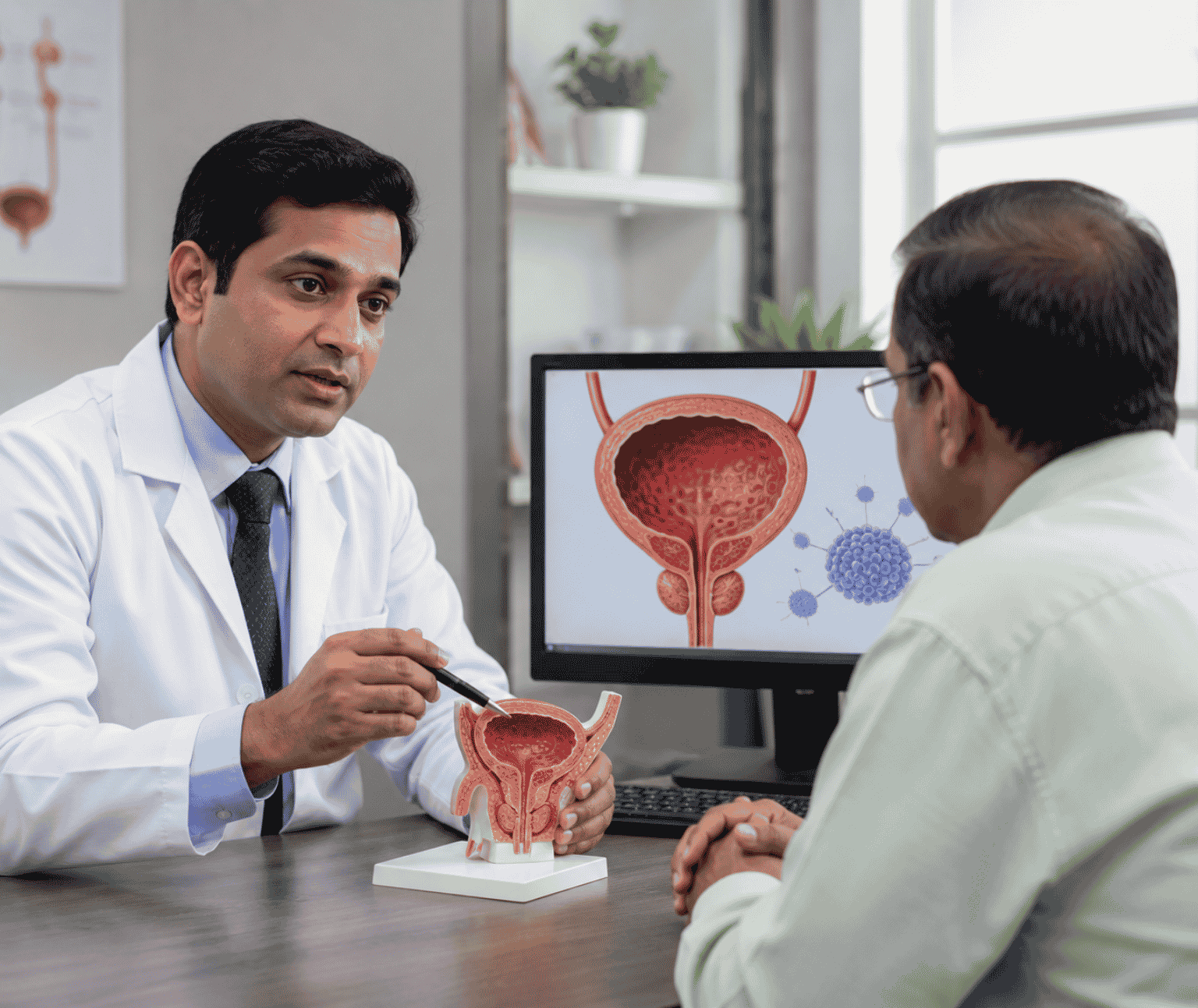
Bladder cancer starts in the inner lining of the bladder, which stores urine before it leaves the body. Treatment usually focuses on removing the visible tumour through surgery.
Even after successful treatment, some microscopic cancer cells may still remain in the bladder lining. These microscopic cells are not always detectable in scans or during surgery, but they can slowly grow again over time.
Why Bladder Cancer Can Return
Bladder cancer can return for several medical reasons. It does not always mean treatment failure. In many cases, it is related to how the disease behaves inside the bladder.
Some cancer cells may survive initial treatment and remain inactive for a period of time. In other cases, new abnormal growth can develop in the bladder lining due to changes in the tissue environment.
Certain reasons may include:
- Cancer cells may remain after treatment
- New tumours may develop in bladder lining
- High-risk cancers return more often
- Irregular follow-up may delay recurrence detection
How BCG Therapy Works
BCG therapy is given directly inside the bladder after tumour removal. It helps the immune system become more active and respond against remaining cancer cells. It helps in:
- Activating immune system
- Helps destroy remaining cancer cells
- Reduces recurrence risk
Some patients may experience
BCG therapy side effects, which include burning during urination, frequent urination, mild fever, fatigue, and flu-like symptoms, which are usually mild and temporary.
Treatment After Surgery
The initial treatment in most patients is called TURBT which is a procedure to remove the tumour from the bladder. From there, doctors will determine additional treatment options depending on risk of recurrence and condition.
BCG treatment for bladder cancer is often known as a post-TURBT treatment that can be used to decrease the chance of recurrence and to help maintain the control of the disease over time.
- Helps destroy remaining cancer cells in the bladder
- Reduces the chances of bladder cancer recurrence
- Reduces the risk of disease progression
Importance of Regular Follow-Up
Regular follow-up care is very important after treatment. It helps doctors monitor bladder health and detect any early changes. Regular monitoring is an important part of
bladder cancer follow up treatment to detect changes early and improve outcomes.
Follow-up care includes:
- Cystoscopy for bladder examination
- Urine tests for abnormalities
- Imaging tests if required
Healthy Habits for Recovery
Healthy habits support bladder health after treatment and improve long-term recovery. These steps also play an important role in
how to prevent bladder cancer recurrence and support overall well-being.
- Avoid smoking and tobacco
- Drink enough water daily
- Follow doctor’s advice
- Attend regular follow-ups
Why Choose Blue Bliss Hospital?
Blue Bliss Hospital provides complete bladder cancer care with accurate diagnosis, staging, and personalised treatment planning. Each patient is evaluated carefully to ensure the right treatment approach.
Our hospital also ensures continuous follow-up care and clear communication throughout the treatment journey. This helps patients stay informed and confident during recovery. Our key benefits include:
- Advanced diagnosis and staging
- Personalised treatment planning
- Expert bladder cancer care
- Treatment by an experience urologist
- Regular follow-up after surgery
Conclusion
In some cases, bladder cancer can recur, but treatment and regular monitoring can effectively manage it. When patients are informed of their condition and have a positive outlook, they are more able to manage it.
BCG treatment for bladder cancer has an integral role in decreasing the risk of recurrence and maintaining the disease. The right care and follow up can lead to improved recovery and stability.
FAQs
- Why does bladder cancer come back after treatment?
Bladder cancer can come back if some cancer cells remain or new abnormal cells develop in the bladder.
- What is bladder cancer recurrence?
Bladder cancer recurrence means the return of cancer after initial successful treatment.
- How does BCG therapy help in bladder cancer?
BCG therapy helps activate the immune system to destroy remaining cancer cells and reduce recurrence risk.
- What are the common BCG therapy side effects?
Common BCG therapy side effects include mild burning during urination, frequent urination, and temporary fever.
- How can bladder cancer recurrence be prevented?
Bladder cancer recurrence can be reduced through regular follow-ups, healthy habits, and following medical advice.