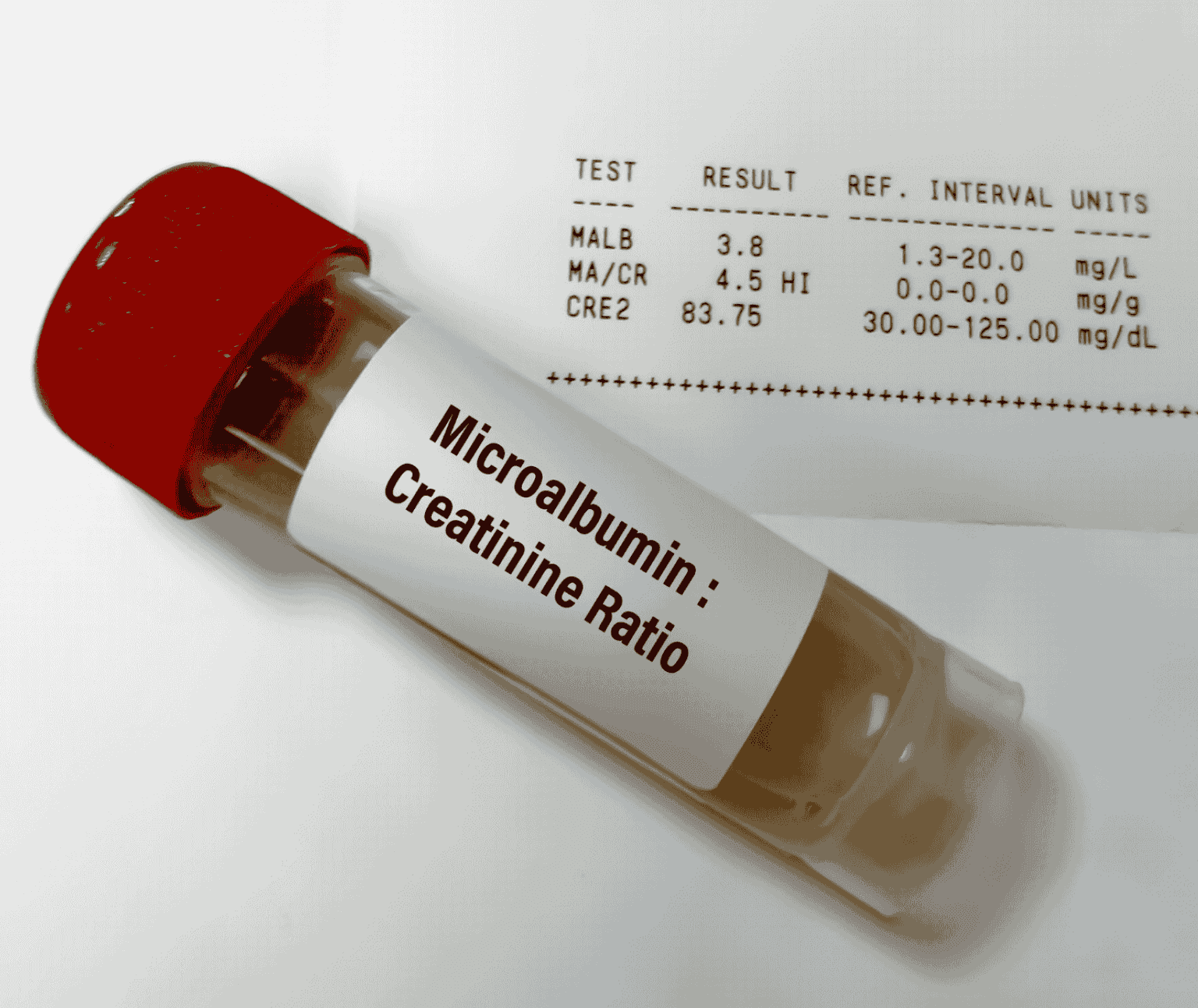
Kidneys play a significant role in maintaining balance in the body and ensuring that the body is free from harmful waste. One of the key factors used in monitoring the performance of the kidneys is creatinine. By understanding the concept of
creatinine levels kidney function helps in understanding how the kidneys perform their functions.
Body muscles produce creatinine, which is a waste product. It is normally eliminated from the body through the kidneys. When the kidneys perform normally, creatinine can be removed from the body easily. However, when the kidneys do not perform well, there is a build-up of creatinine in the body.
At Blue Bliss Hospital, we help people understand the steps of performance of kidneys as well as we offer effective treatment options for such conditions.
Why do Creatinine Levels Matter?
Creatinine is a chemical that is normally produced in the body as a result of muscle activity and eliminated through urine. When the kidneys are not functioning as required,
high creatinine levels may appear in blood tests. Which indicates that waste is not being cleared effectively.
Doctors monitor the levels of creatinine in the blood for:
- Understanding the health of the kidneys
- Identify the early signs of kidney problems
- Monitor existing kidney conditions
- Selecting appropriate treatment method
How Creatinine Reflects Kidney Function
Creatinine levels play a significant role in the evaluation of kidney health. It is normally included in the
kidney function test used in evaluating the performance of kidneys in the body.
Key aspects include:
- Blood creatinine levels reveal the amount of waste present
- Urine creatinine levels are used to identify the effectiveness of the filtering process
- Results can reveal whether the kidneys are improving or getting worse
This ensures timely intervention and appropriate treatment of
high creatinine levels.
Understanding Creatinine Clearance
Creatinine clearance is such a diagnostic method, which provides a detailed understanding of the effectiveness of the kidneys’ filtering process. It measures the levels of creatinine in the blood and urine over a specific period of time.
Steps include:
- Collecting your samples: You will be asked to collect all the urine you produce for 24 hours and also provide a small sample of blood.
- Testing in the lab: The lab tests the level of creatinine in both your urine and blood.
- Calculation: These measurements are used to calculate how well your kidneys are working to remove waste from your body.
- Understanding the results: Your doctor will be able to tell you if there are any worries about how well your kidneys are working.
Doctors frequently use
creatinine clearance along with other tests to get a complete roadmap of kidney health.
Causes of High Creatinine Levels
High creatinine levels can result from various causes, including:
- Kidney disease
- Dehydration
- High protein intake
- Certain medications
- Hypertension and diabetes
Understanding
kidney health and creatinine helps patients understand the importance of managing the underlying disease.
Signs Associated with High Creatinine Levels
Patients with
high creatinine levels, specifically at the early stages, may not display any symptoms. However, as the levels increase, the following systems can occur:
- Fatigue or weakness
- Swelling in legs or face
- Reduced urine output
- Shortness of breath
- Confusion in severe cases
The above system displays the importance of early intervention and appropriate treatment.
Managing and Treating High Creatinine Levels
Effective treatment can improve the functioning of the kidneys and prevent further complications. Some possible ways of managing a high creatinine level include the following:
- Controlling blood pressure and diabetes
- Staying properly hydrated
- Following a kidney-friendly diet
- Adjusting medications if needed
- Regular monitoring of kidney function
Early detection is a significant factor in preventing complications and starting
high creatinine levels treatment.
Advanced Kidney Care at Blue Bliss Hospital
Blue Bliss Hospital offers comprehensive kidney care services with a strong emphasis on early detection and subsequent care. Our medical team conducts a series of
kidney function tests for patients. The creatinine levels are closely monitored to detect any changes.
At our hospital personalized care and lifestyle changes are provided to patients at the right time. This ensures a smooth functioning of their kidneys and helps them avoid any complications.
Conclusion
Monitoring
creatinine levels kidney functions are important to understand how well your kidneys are functioning. Thus, early identification of high creatinine in patients is crucial to provide them with timely treatment and avoid any serious kidney-related problems.
With proper care, regular monitoring, and expert guidance from
Blue Bliss Hospital, patients with kidney problems can be managed in a better way to improve their condition and enhance their quality of life.
Frequently Asked Questions (FAQs)
- What are normal creatinine levels?
Normal levels differ based on age, gender, and muscle mass, but your doctor will interpret results perfectly.
- What causes high creatinine levels?
Kidney disease, dehydration, high protein intake, and certain medications can increase creatinine levels.
- Can high creatinine levels be reduced?
Yes, with proper treatment, lifestyle changes, and managing underlying conditions.
- How often should creatinine be tested?
It depends on your health condition, but patients at risk should test regularly as advised by a doctor.
- Is high creatinine always serious?
Not always, but it should never be ignored as it may indicate kidney stress or damage.