High blood pressure is a prevalent health problem that is usually overlooked until the emergency of severe complications arises. In the long-run, high blood pressure may destroy internal organs, especially kidneys, without showing any symptoms. Understanding the connection between
kidney disease and hypertension is essential for preventing long-term health problems and maintaining overall wellbeing.
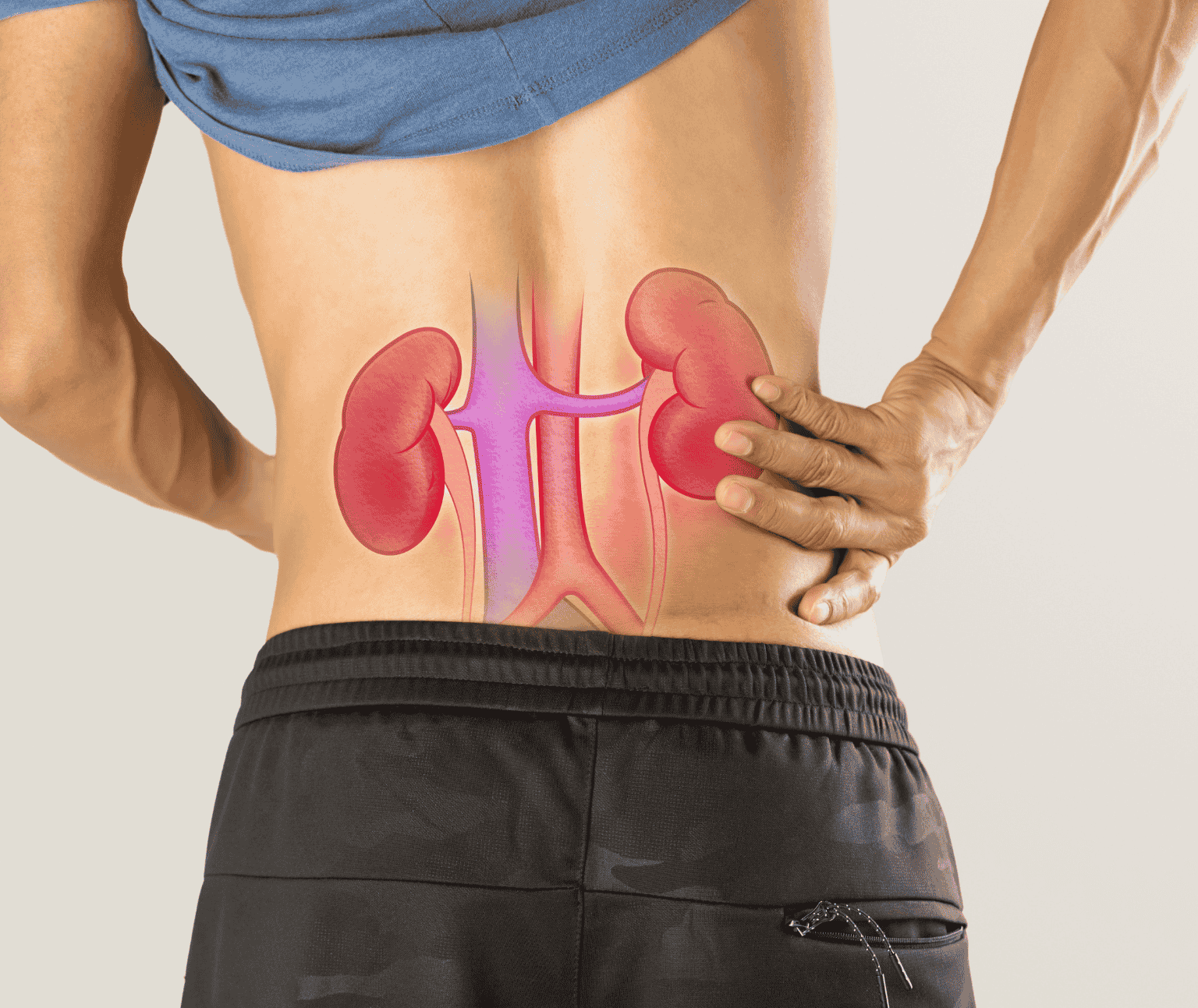
The kidneys cleanse the waste present in blood, fluids, and toxins as well as regulate the electrolyte level and blood pressure. In case the blood pressure is constantly high, these sensitive organs are exposed to continuous stress, which may decrease their effectiveness and cause systematic damage.
At Blue Bliss Hospital, we are putting efforts to make people understand kidney risks due to blood pressure, and taking preventive measures to avoid complications. With proper lifestyle changes, medications, and monitoring, kidney function can be preserved and serious complications avoided.
How Hypertension Affects Kidney Function?
The kidneys use a system of tiny blood vessels to perform their waste filtering process. High blood pressure creates damage to these blood vessels which results in reduced waste filtration and increased body fluid accumulation. This condition affects kidney function because it creates a risk of developing long-lasting health problems when people do not receive treatment.
The main consequences include:
- Narrowing or hardening of kidney arteries
- The filtering ability of kidney decreases
- Gradual buildup of toxins in the body
Early evaluation and blood pressure control are crucial for maintaining healthy
kidney function.
Signs of Kidney Damage from High Blood Pressure
Another side effect of high blood pressure is that it can silently affect the kidney health before it is noticeable. The first indicators are:
- Swelling in hands, feet, or eyes caused by extra fluid build-up
- Constant fatigue and loss of energy level
- Change in the urination colour and pattern
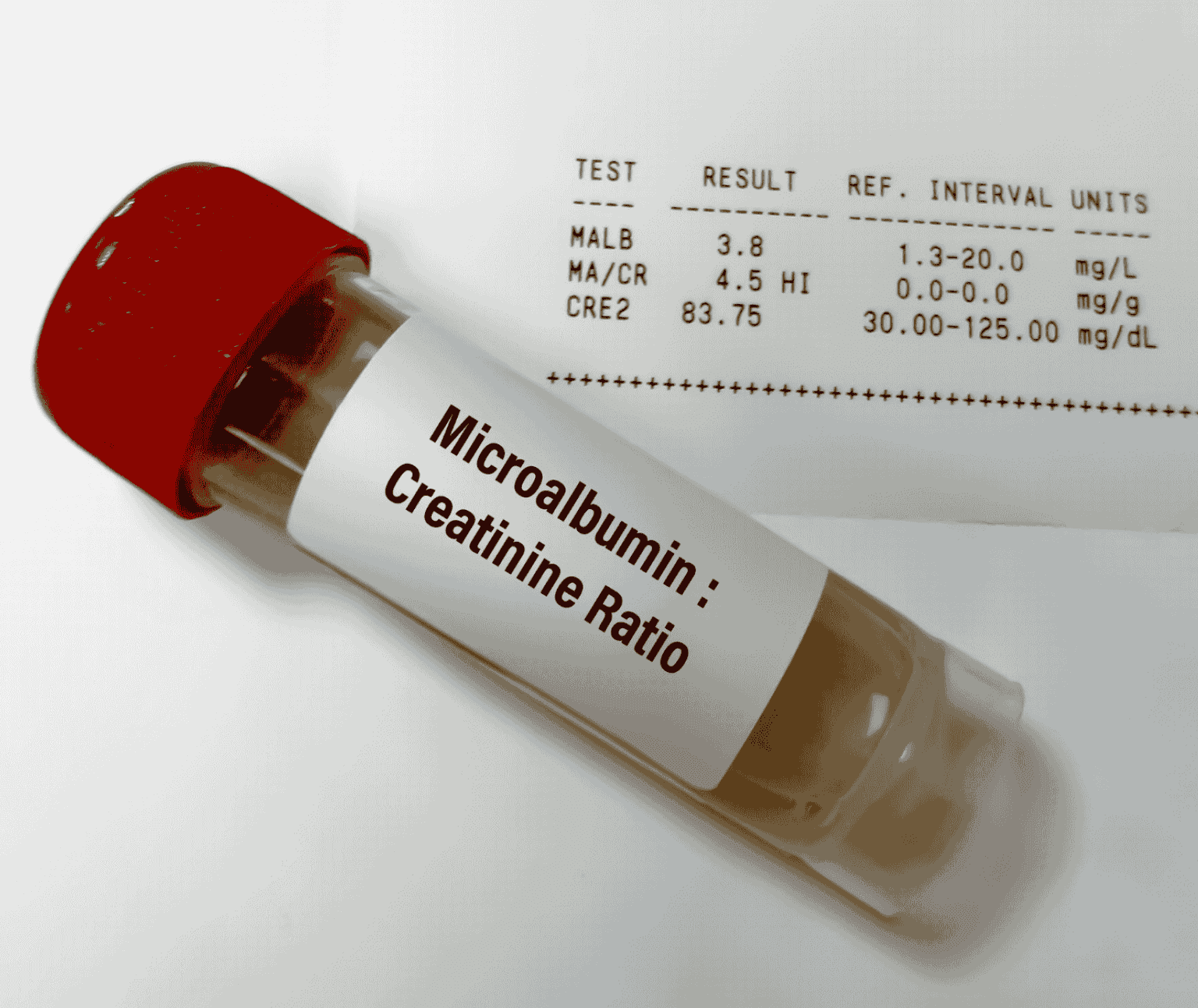
- High creatinine levels found in blood test
Regular
kidney function monitoring helps detect early-stage damage, enabling timely interventions.
Hypertension Effects on Kidneys
The connection between hypertension and kidney condition is like a cycle. The reasons are:
- High blood pressure can destroy the small vessels inside the kidneys.
- Damaged vessels decrease the capacity of kidneys to filter waste and additional fluid.
- This fluid and salt buildup can raise blood pressure even more, putting extra stress on the kidneys.
Understanding the
hypertension effects on kidneys shows why controlling blood pressure is essential for long-term renal health. Being aware about high blood pressure allows patients to take preventive steps before severe complications occur.
How High Blood Pressure Leads to Kidney Disease
Persistent high blood pressure can directly cause kidney damage. It thickens artery walls, reduces blood flow to nephrons, and gradually diminishes filtration capacity. This explains why
kidney disease from high BP is a frequent complication of uncontrolled hypertension.
The connection between
kidney disease and hypertension highlights the importance of regular checkups and lifestyle management to prevent irreversible damage.
Preventing Hypertension Damage to the Kidneys
To keep the kidneys safe and have blood pressure under control you can follow some basic tips; they include:
- frequent blood pressure measurements and medications
- No salt/low processed food kidney-friendly diet
- Regular physical activity
- Proper hydration and body weight management
- Routine evaluation of kidney function through blood and urine tests
Early intervention slows disease progression, reduces complications, and helps preserve long-term kidney function.
Urology Care at Blue Bliss Hospital
We offer a cautious, methodical approach at Blue Bliss Hospital in order to safeguard your kidneys to prevent from suffering high blood pressure. We regularly conduct blood pressure checkups and following the necessary kidney tests, such as creatinine levels monitoring helps to identify any early kidney issues and prevent their deterioration.
Our customized care plans are tailored to treating blood pressure and maintain healthy kidneys. Clarity on diet, lifestyle and daily habits are also given to the patient to help kidney work. Follow-ups are done regularly to make sure that progress is monitored, medicines are changed where necessary to keep your kidneys safe and healthy in the long term.
Conclusion
Understanding the link between
high blood pressure and kidney damage is key to preventing serious kidney complications. Through timely interventions, lifestyle adjustments, and continuous monitoring, patients can maintain kidney function and reduce the risk of chronic disease.
With advanced treatment options and patient-focused care at
Blue Bliss Hospital, individuals with high blood pressure can protect their kidneys and achieve better overall health.
Frequently Asked Questions (FAQs)
- How does high blood pressure damage the kidneys?
It can injure blood vessels in the kidneys, impair filtration, and lead to chronic kidney disease.
- What are the early signs of kidney damage from hypertension?
Swelling, fatigue, changes in urination, and elevated creatinine levels may indicate kidney stress.
- Can controlling blood pressure prevent kidney disease?
Yes, proper management significantly reduces the risk of kidney damage.
- What tests are used to monitor kidney health?
Blood tests (creatinine, eGFR) and urine tests help evaluate kidney function.
- Who should regularly check their kidney health?
Patients with hypertension, diabetes, or a family history of kidney disease should undergo regular kidney evaluations.