
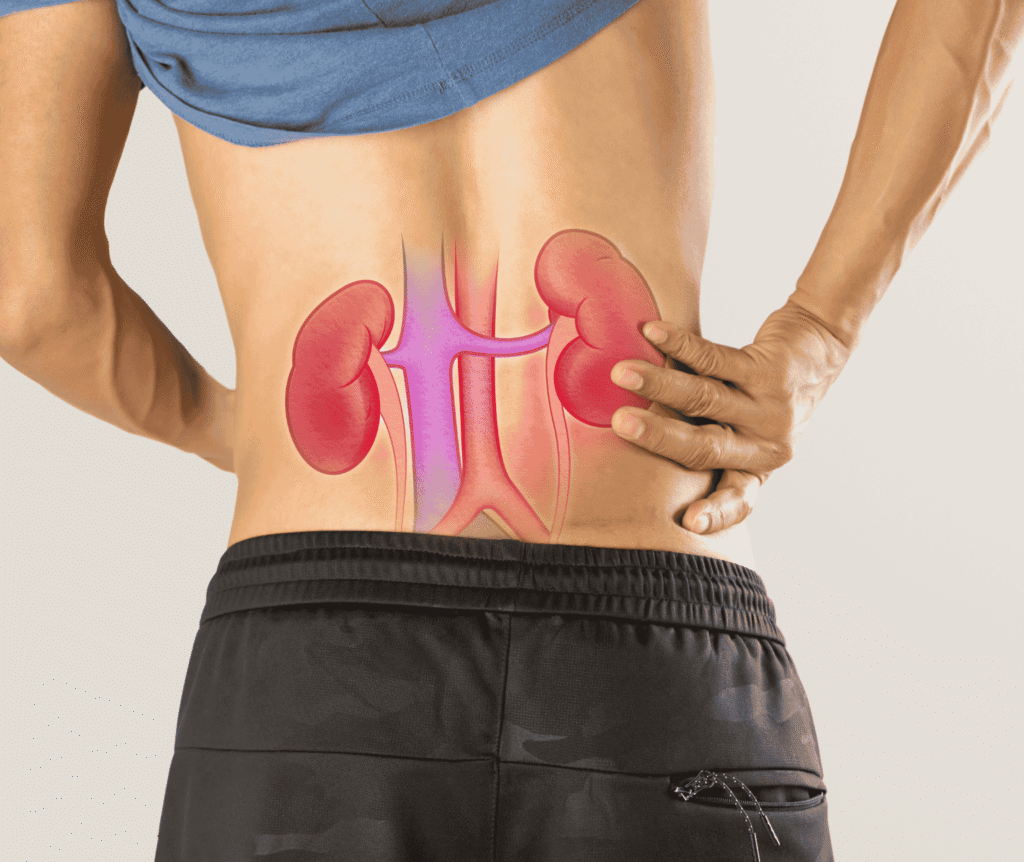
Understanding the CKD stages from 1 to 5 is like having a roadmap: it shows how far the problem has gone, helps spot it early, and gives you the power to slow it down or even stop it from getting worse. Early knowledge means better protection for your kidneys and a healthier future.
At Blue Bliss Hospital, our kidney specialists always say: “Catch it early with simple tests, and you can change the story.” Regular checks and small changes can make a huge difference in keeping your kidneys strong.
CKD Often Stays Hidden
Your kidneys clean waste from your blood, keep fluids balanced, and help your body stay healthy. When CKD starts, kidney function drops slowly, and the body usually doesn’t show big warning signs at first.Many people only find out about their kidney problem after it has already moved to a later stage. Without knowing the chronic kidney disease stages, small clues like tiredness, swelling, or changes in pee can be ignored.
Why CKD Can Become Serious.
If CKD is not found and treated early, kidney function keeps getting worse. Waste and extra fluid buildup in the body cause problems like high blood pressure, low blood count (anemia), weak bones, and, in the worst cases, complete kidney failure. Knowing the stages and watching for early signs can help slow it down a lot.CKD Stages Explained: Stage 1 to Stage 5.
Doctors use a number called GFR (glomerular filtration rate) to measure how well your kidneys filter blood. Higher GFR means better kidney function; lower GFR means worse function. Here are the five stages in simple terms:- Stage 1: Kidneys work normally (GFR 90 or higher), but there is mild damage, like protein leaking into urine. Most people feel completely fine—no clear symptoms.
- Stage 2: Mild loss of kidney function (GFR 60–89). Still feels normal for most people, but tests show early changes.
- Stage 3: Moderate kidney damage (GFR 30–59). Symptoms may start: feeling tired often, swelling in legs or ankles, changes in how much or how often you pee.
- Stage 4: Severe kidney damage (GFR 15–29). Symptoms get stronger: lots of swelling, weakness, feeling sick, nausea, poor appetite, trouble focusing.
- Stage 5: Kidney failure (GFR below 15). Kidneys barely work. You may need dialysis (a machine to clean blood) or a kidney transplant to stay healthy.
What Does GFR Mean?
GFR shows how fast your kidneys clean waste from the blood. It’s checked with a simple blood test (usually using creatinine level). Regular GFR tests help doctors know which CKD stage you are in and how fast it is changing.CKD Progression Symptoms
Early stages usually have no symptoms. Later, you may notice:- Always feeling tired
- Swelling in legs, ankles, or face
- Peeing more or less than usual, or foamy pee
- No appetite
- Feeling sick or vomiting
- High blood pressure that’s hard to control
How to Protect Your Kidneys
The best way to manage CKD is to find it early. Simple steps help slow it down:- Control blood pressure and sugar (if you have diabetes)
- Eat less salt, healthy food
- Drink enough water
- Stay active
- Avoid smoking
- Take medicines only as prescribed
Expert Help at Blue Bliss Hospital.
At Blue Bliss Hospital, our kidney doctors do detailed tests, explain your CKD stage clearly, and make a personal plan to protect your kidneys. Early detection and good care can help you feel better and live a fuller life.Take the First Step Today.
CKD can be silent, but you don’t have to wait for big symptoms. If you have diabetes, high blood pressure, a family history of kidney problems, or feel unusually tired/swollen, get checked.Visit Blue Bliss Hospital for simple tests and expert guidance. Knowing your stage early gives you the power to slow CKD and keep your kidneys stronger for longer. Your health matters—start protecting your kidneys now!