
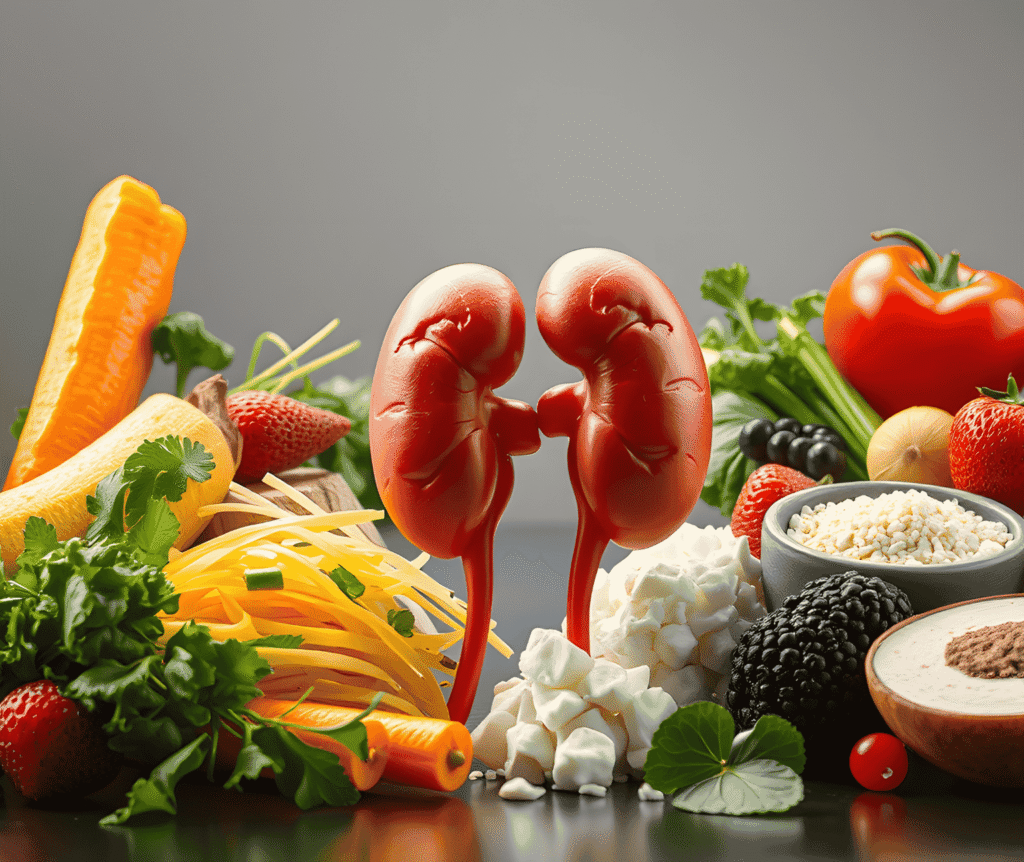
The kidney-friendly diet does not rely on only strict restrictions. It is more about eating the food with the right balance. Adding sufficient amount of nutrients, excluding alcohol and smoking, and being well-hydrated can actually help. Following such preventive guidelines helps preserve kidney function and overall quality of life.
Why Diet Matters for Kidney Function
The kidneys have many functions, like cleaning the body by filtering the wastes from the body. The wrong foods can damage the kidneys and make them do more work. This can result in fatigue and severe damage to the kidneys.Following sodium restriction kidney diets helps your kidneys get the nutrients they need without extra strain.
Recommended Foods for Healthy Kidneys
Choosing the right foods for kidneys can support your kidney health. Some good options include:- Fruits: Apples, berries, grapes, and pears (rich in vitamins and antioxidants)
- Vegetables: Bell peppers, cauliflower, cabbage, and carrots (low in potassium and healthy)
- Whole grains: Brown rice, oats, and wheat products
- Healthy fats: Olive oil, flaxseeds, and nuts in moderation
- Hydration: Drinking adequate water helps flush out toxins from the body
Foods to Limit or Avoid
Some foods can put extra stress on your kidneys, especially if you have high blood pressure or early kidney problems. The following types of food should be avoided:- High-salt foods: Processed snacks, pickles, canned soups (Can increase blood pressure or fluid retention)
- High-protein foods: A large amount of red meat or protein supplement can strain the kidneys
- Sugary and processed food: Sugar and processed food can increase inflammation and harm kidneys
- High-potassium food: Bananas, oranges, and potatoes may need moderation for some patients
Protein Management for Kidney Health
For patients with reduced kidney function, managing protein intake is essential. Following low protein diet tips helps reduce kidney workload while maintaining nutrition:- Less consumption of low-calorie protein foods such as eggs, chicken, or fish.
- Consumption of plant-based protein sources like lentils or beans.
- Consulting a dietician for safe protein level intake.
Kidney-Friendly Lifestyle Habits
In addition to a kidney-friendly diet, lifestyle habits can greatly impact kidney health. These habits include:- Do exercise regularly
- Quit smoking and reduce your intake of alcohol
- Keep your weight in check
- Keep yourself hydrated and control your fluid intake
- Keep track of your blood tests for creatinine and eGFR levels
Advanced Kidney Care at Blue Bliss Hospital
At Blue Bliss Hospital, patients receive a structured approach to protect kidney health. Blood pressure and kidney markers are carefully monitored, including high creatinine levels, to identify potential issues early. Our expert urologists and dietician work together to help you in achieving healthy kidneys.Our individualized care plans focus on managing blood pressure, supporting renal function, and providing lifestyle guidance and choosing the right foods for kidneys. Regular follow-ups track progress and ensure kidneys remain healthy over the long term, giving patients confidence in their ongoing kidney care.
Conclusion
For maintaining kidney health and preventing complications, a kidney health diet is essential. To get healthy kidneys in the long-term, patients can follow a healthy and balanced diet and practise healthy lifestyle habits.Patients at Blue Bliss Hospital get high-end personal care and educational support in the management of their kidney conditions. Start your journey towards good health with right food choice!
Frequently Asked Questions (FAQs)
- What is a kidney-friendly diet?
Nutrient-rich foods with moderate amounts of sodium, low amount of protein and less processed foods. - Can fruits and vegetables harm my kidneys?
They all are fine with you, except that high-potassium ones might need to be limited depending on your condition. - How much sodium should I consume for kidney health?
Less than 2000 mg per day, but you have to consult your doctor to get additional guidance. - Is protein restriction necessary for all kidney patients?
Not all patients with kidney disease need a restrictive protein intake, but it depends on the recommendation of the doctor. - How often should I consult a dietician?
You should visit a dietician after every 3-6 months or as recommended by your doctor.